Jaishankar's Decade: Mapping India's Ascent
External Affairs Minister S. Jaishankar has outlined a vision for India's rapid rise in the global power structure over the next five to ten years, citing demographic advantages and robust growth. This strategic articulation signals a shift from reactive diplomacy to proactive positioning in the multipolar world order.
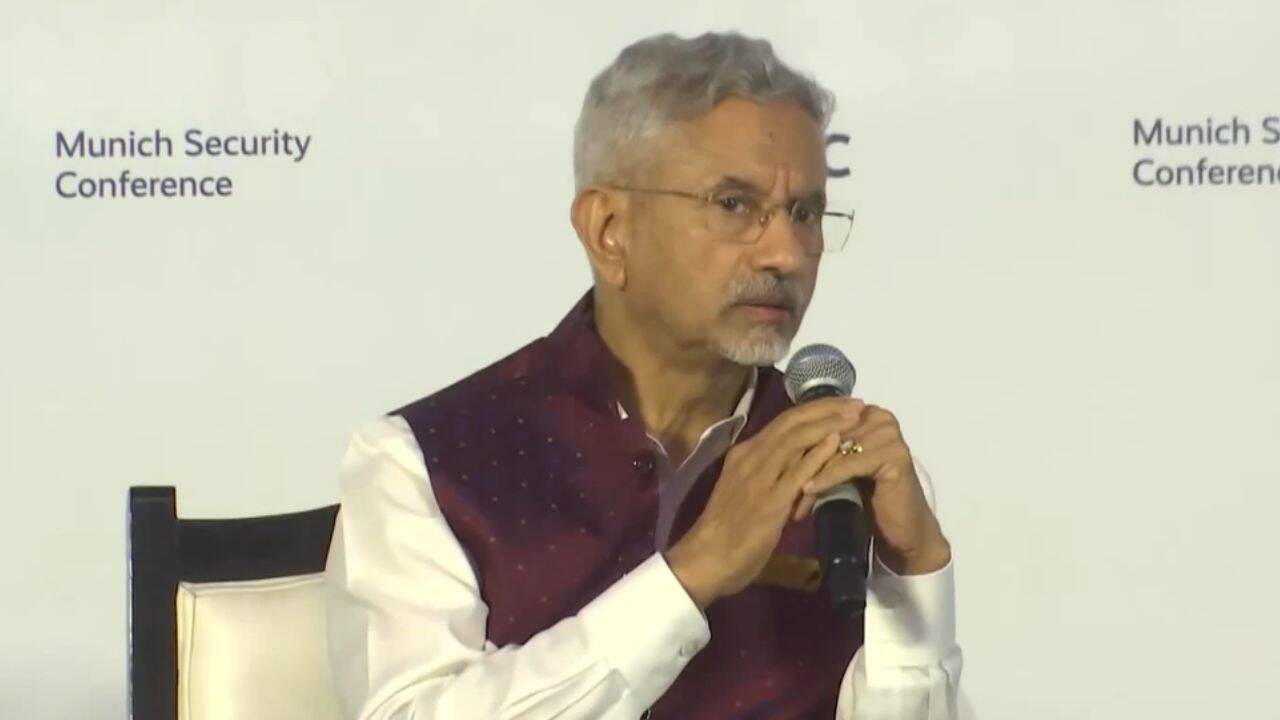
The concrete rupture is in the explicit timeline provided by India's top diplomat. By framing India's ascent as a matter of years rather than decades, Jaishankar sets a new benchmark for global expectations. This is not merely rhetorical; it is a strategic declaration that India intends to capitalize on its demographic dividend and economic momentum to reshape international institutions. The statement was made in the context of the Munich Leaders Meeting, a forum that underscores India's growing relevance in global security and economic discourse. The underlying tension lies in the gap between ambition and institutional capacity. While the demographic and economic trends are favorable, the realization of this vision requires significant reforms in governance, infrastructure, and human capital. The friction is evident in the challenges of translating potential into tangible power, particularly in a world where established powers are consolidating their influence. Jaishankar's remarks serve as a counter-narrative to those who view India's rise as a distant possibility. The downstream outcome is a recalibration of global partnerships. As India positions itself as a rising power, other nations will adjust their diplomatic and economic strategies to accommodate this shift. This could lead to new alliances and trade agreements that favor India's interests, while also provoking resistance from those who seek to maintain the status quo. The tangible impact will be seen in the restructuring of global supply chains and the reconfiguration of security architectures in the Indo-Pacific.
Comments 0