Jammu & Kashmir High Court annuls two‑year‑old preventive detention order
The High Court dismissed a lingering detention order after a two‑year delay, declaring the link between past allegations and present risk to be insufficient. The judgment restores liberty to the detainee and signals a judicial rebuke of protracted preventive custody.
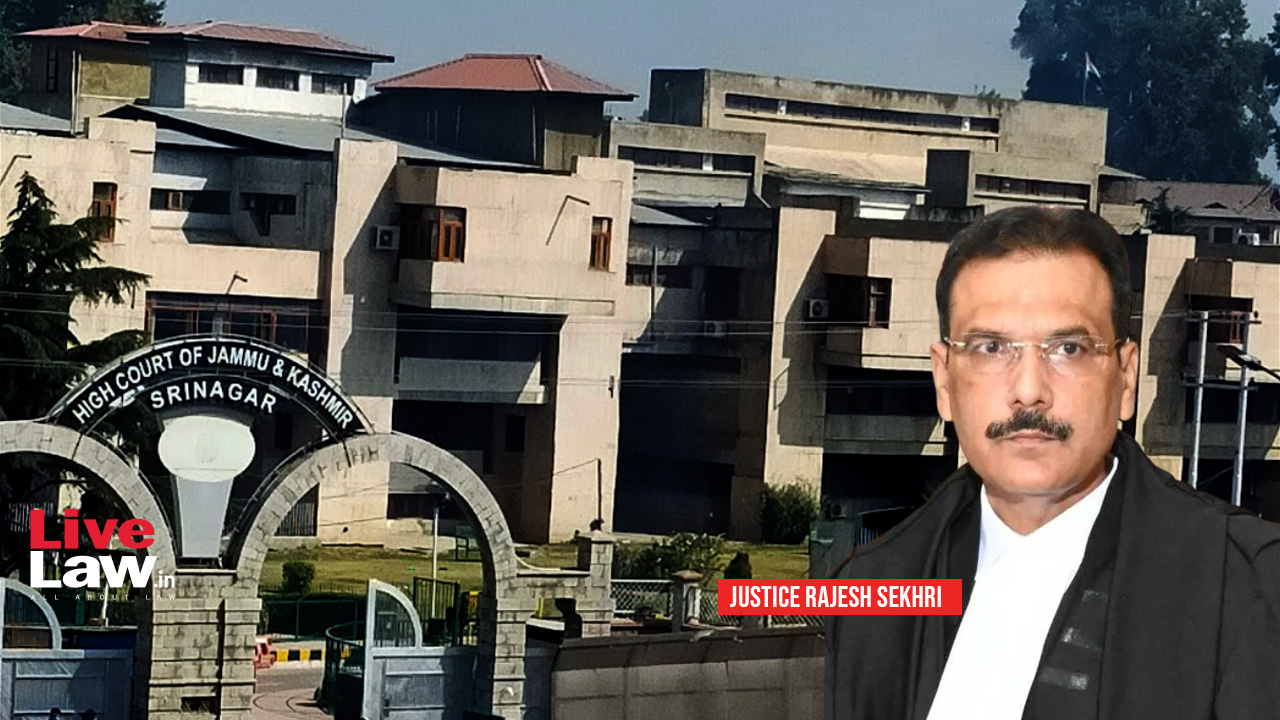
The Jammu & Kashmir High Court examined a detention order that had remained unenforced for two years, ultimately finding that the alleged activities no longer justified continued restraint. The court emphasized the necessity of a live and proximate connection between past conduct and any present threat, a standard that the prosecution failed to meet. By overturning the order, the judiciary reaffirmed the principle that preventive detention must be anchored in current, demonstrable danger rather than historical suspicion.
The decision emerges against a backdrop of heightened security measures in the region, where authorities have frequently resorted to preventive detention to preempt unrest. Critics have argued that such powers erode civil liberties and create a climate of fear among political activists. The court's ruling therefore injects a measure of judicial oversight into a system often criticized for its opacity, potentially curbing the unchecked use of detention as a tool of governance.
Consequences of the verdict are likely to ripple through law‑enforcement agencies, prompting a review of pending detention cases and encouraging detainees to seek redress. Human rights groups have welcomed the judgment, anticipating that it will embolden further challenges to similar orders. The ruling may also influence legislative discourse on the balance between security imperatives and individual freedoms in the region.
Comments 0