Jantar Mantar to be prime venue for India Biennale
The historic Jantar Mantar observatory in Delhi will serve as the main venue for the second edition of the India Biennale. Organisers say the site will allow artists to engage with the city’s cultural heritage.
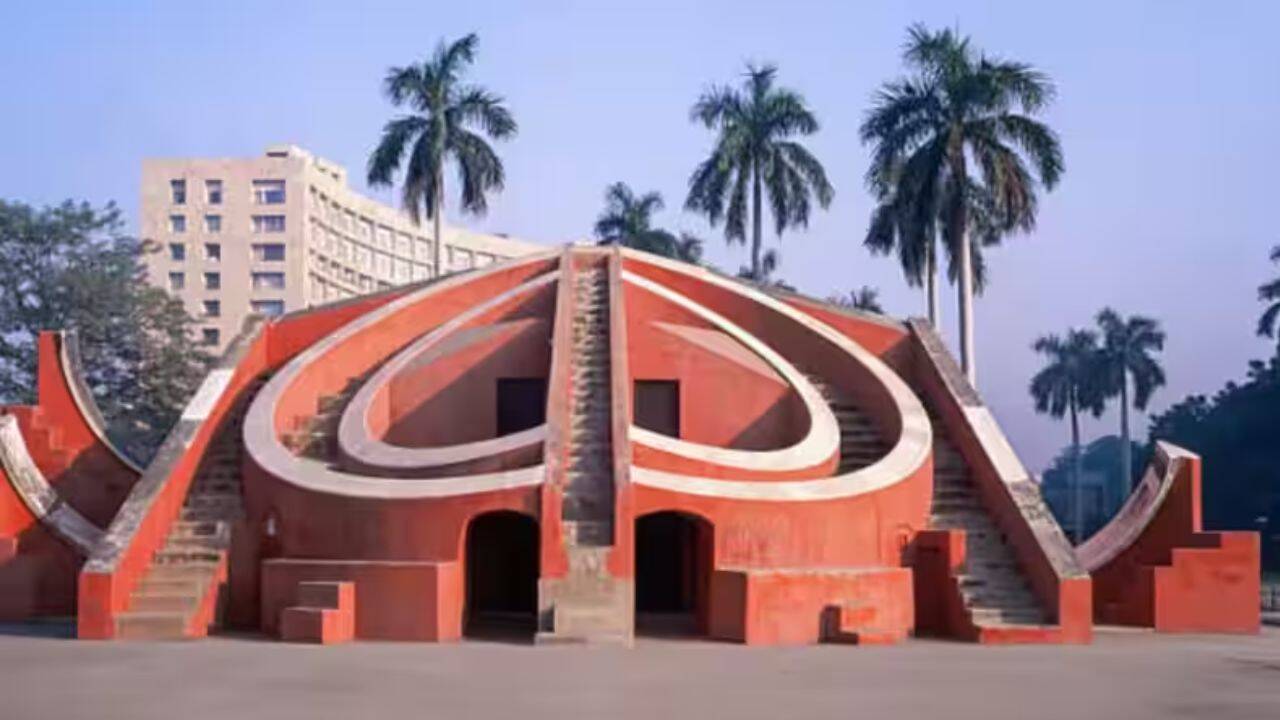
Jantar Mantar, built in the early 18th century, is a collection of large astronomical instruments that also functions as a public monument in the heart of Delhi. Its massive stone arches and sundials have long attracted tourists and scholars alike, making it one of the city’s most recognizable landmarks. The India Biennale, a national platform for contemporary visual arts, was launched in 2022 and has quickly become a key event for artists, curators, and collectors across the subcontinent. By choosing Jantar Mantar as its prime venue, the Biennale aims to blend historic architecture with modern artistic expression.
The decision to host the Biennale at Jantar Mantar was announced by the festival’s steering committee in a press conference held last week. Organisers explained that the open‑air spaces surrounding the instruments provide flexible areas for installations, performances, and interactive projects. They also noted that the venue’s central location offers easy access via Delhi’s metro and bus networks, which should encourage higher footfall from both local residents and visitors from other states. The schedule includes a series of exhibitions, artist talks, and workshops spread over three weeks, with each event curated to reflect the theme of the edition, which focuses on urban transformation.
Cultural observers expect the partnership to boost Delhi’s reputation as a hub for contemporary art and to generate additional tourism revenue during the exhibition period. Local businesses, especially those in hospitality and retail, anticipate increased patronage as art enthusiasts converge on the area. The government has also expressed support, noting that the event aligns with its broader objectives of promoting cultural heritage and creative industries. If the Biennale succeeds in drawing large audiences, it could set a precedent for future collaborations between heritage sites and modern cultural programs.
Comments 0