Japanese Pilgrims Deliver Peace Messages at Bodh Gaya
A delegation of Japanese devotees gathered at the historic Buddhist site to present handwritten notes of goodwill, reinforcing cultural ties between the two nations. The ceremony was attended by local officials who highlighted the enduring spiritual connection.
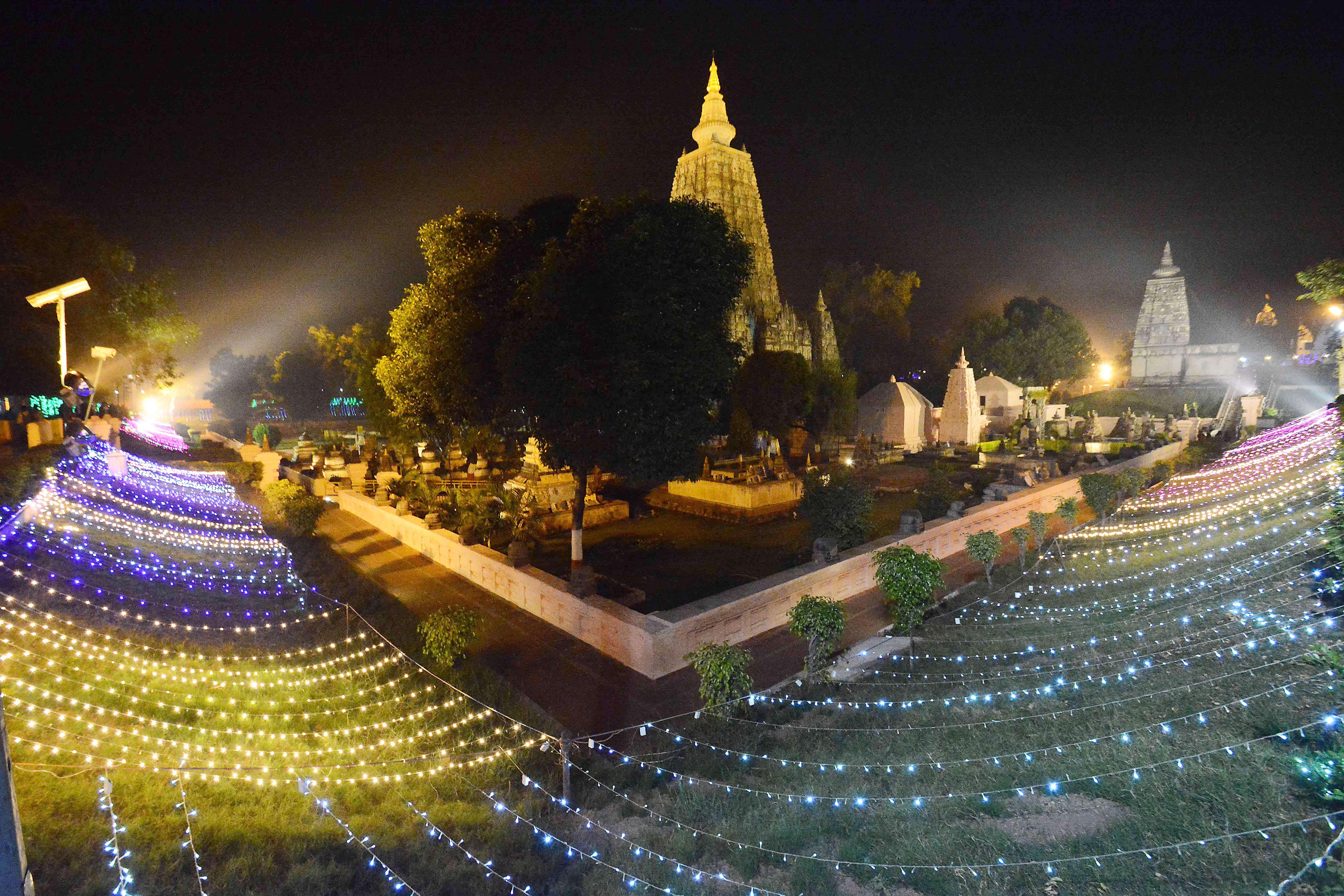
The tranquil grounds of Bodh Gaya, where the Buddha is said to have attained enlightenment, welcomed a group of Japanese pilgrims who arrived bearing scrolls inscribed with verses of harmony and mutual respect. Their presence underscored a centuries‑old exchange of religious thought that has shaped artistic and philosophical currents across Asia. Local dignitaries joined the pilgrims in a modest ceremony, offering incense and reciting sutras that resonated with the shared heritage of the two countries.
Organisers noted that the event was timed to coincide with a broader series of cultural initiatives aimed at deepening people‑to‑people contact, including language workshops and joint exhibitions of ancient manuscripts. Scholars observe that such soft‑power engagements can subtly influence diplomatic goodwill, especially at a time when both nations are navigating complex trade negotiations and regional security concerns. The messages of peace, though symbolic, serve as a reminder of common values that transcend political calculations.
Looking ahead, the Japanese community in India plans to expand its outreach through educational programs that introduce Buddhist philosophy to younger generations. Meanwhile, Indian authorities are exploring ways to integrate these cultural exchanges into tourism strategies, hoping to attract a more diverse visitor base to heritage sites. The convergence of faith and diplomacy at Bodh Gaya illustrates how spiritual dialogue can complement formal statecraft in fostering lasting bilateral rapport.
Comments 0