Jasprit Bumrah Fights Alone As India Decisions Spark Tactical Debate In New Zealand Test
India's decision to omit pace spearhead Mohammed Siraj proved costly on day one of the Test match against New Zealand in Wellington. Fast bowler Jasprit Bumrah labored alone as the remaining bowling attack failed to capitalize on helpful conditions, allowing the hosts to recover.
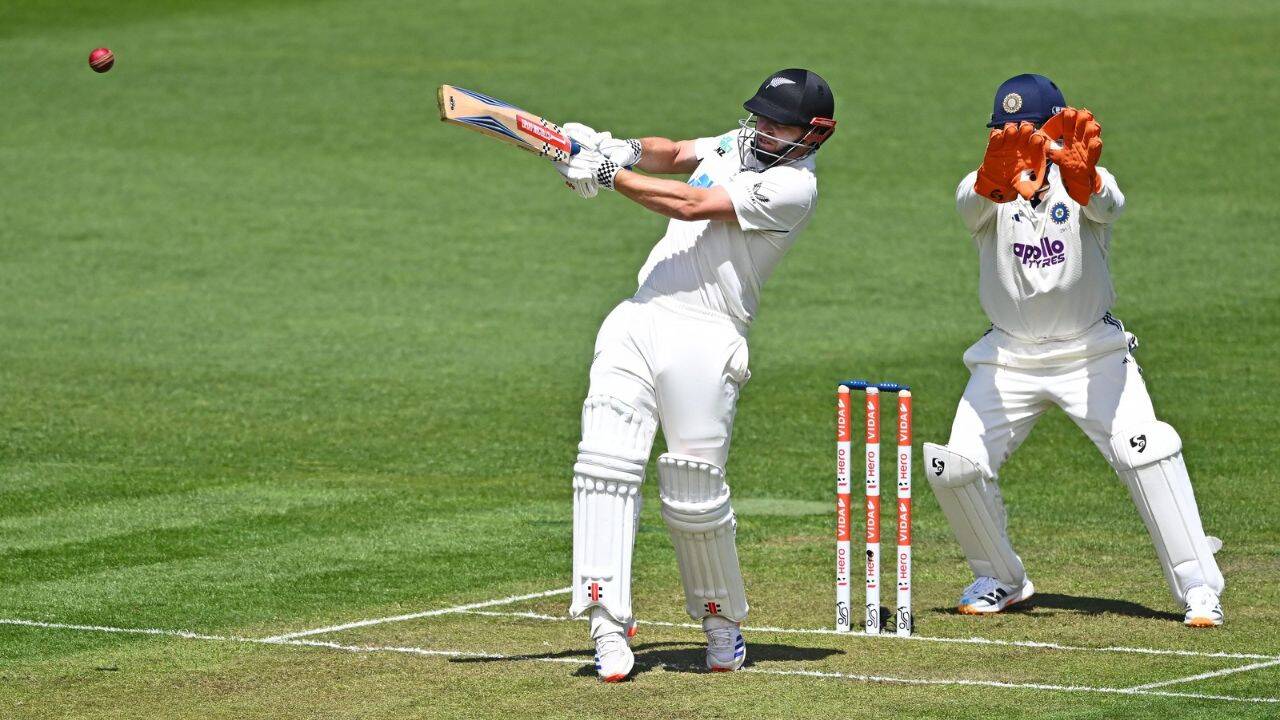
Winning the toss on a green tinged pitch, Indian team management opted to bowl first, a decision that initially yielded dividends as New Zealand top order batsmen struggled against disciplined seam movement. However, the unexpected omission of Mohammed Siraj, whom captain Shubman Gill had recently lauded as a captain dream following success at The Oval, left the pace attack structurally thin. While Bumrah extracted sharp movement and troubled the batsmen, his bowling partners lacked the sustained hostility required to exploit the early morning moisture fully.
The tactical debate intensified as New Zealand middle order partnerships stabilized the innings after an early collapse to seventy for five. Critics questioned the wisdom of rotating frontline bowlers in alien overseas conditions where bowling depth dictates session control. The reliance on a solitary strike bowler placed an unsustainable physical burden on Bumrah, highlighting a recurring vulnerability in India overseas selection strategies where horses for courses policies occasionally backfire.
The immediate consequence of the tactical miscalculation was a missed opportunity to dismiss the hosts cheaply and assert dominance in the series opener. As the pitch flattened and the shine wore off the ball, the bowling unit lost its penetration, allowing New Zealand to rebuild a competitive total. Moving forward, the team selection committee faces sharp scrutiny regarding squad rotation policies and the balance of the bowling attack in overseas red ball fixtures.
Comments 0