JEE Main Registration Gives India’s Engineering Pipeline Its Next Test
Registration for JEE Main 2027 has opened for two papers linked to undergraduate engineering programmes at centrally funded institutions. The process determines which students can enter one of India's most competitive routes to technical education and places substantial pressure on coaching, counselling and admissions systems.
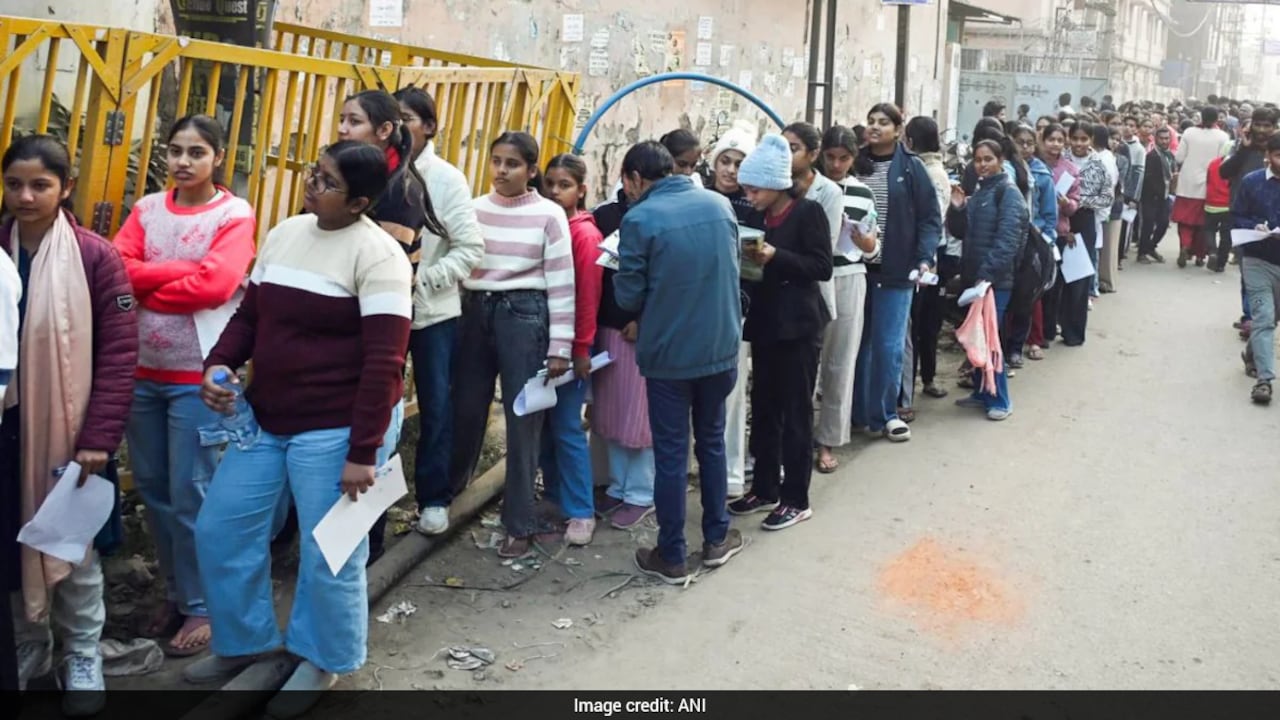
The opening of JEE Main registration for 2027 begins another cycle in the contest for admission to undergraduate engineering programmes, including institutions such as the National Institutes of Technology and other centrally funded technical universities. The two-paper structure is a practical gateway rather than a final verdict, yet it carries immediate consequences for students, families, coaching providers and the institutions that will later convert scores into seats. For many aspirants, registration begins the administrative race that will define the next stage of their lives.
The institutional friction lies in the gap between examination access and educational opportunity. A national test can offer a common standard, but its consequences are unevenly distributed because coaching, devices, connectivity and family resources differ widely. The registration window therefore matters beyond administration. It determines who is positioned to compete, while institutions face intense demand for limited places. Parents and private test-preparation businesses will continue investing heavily in preparation, deepening an education market in which the official exam is only one part of the system.
The tangible outcome will emerge through the long chain of application, testing, scoring, counselling and allotment. Students who register but fail to prepare will still face the consequences of missed opportunity, while successful candidates may confront difficult choices among institutions and specialisations. Within a year, the 2027 cycle will test whether Indian technical education can expand access without allowing the preparatory ecosystem to further stratify candidates before they reach the examination hall.
Comments 0