Jharkhand High Court Mandates Infrastructure Overhaul at AIIMS Deoghar
The Jharkhand High Court has directed significant improvements to the infrastructure of AIIMS Deoghar, citing the fundamental right to healthcare in response to a public interest litigation. This judicial intervention highlights the persistent gap between the promise of advanced medical facilities and the reality of their operational readiness in India's eastern states.
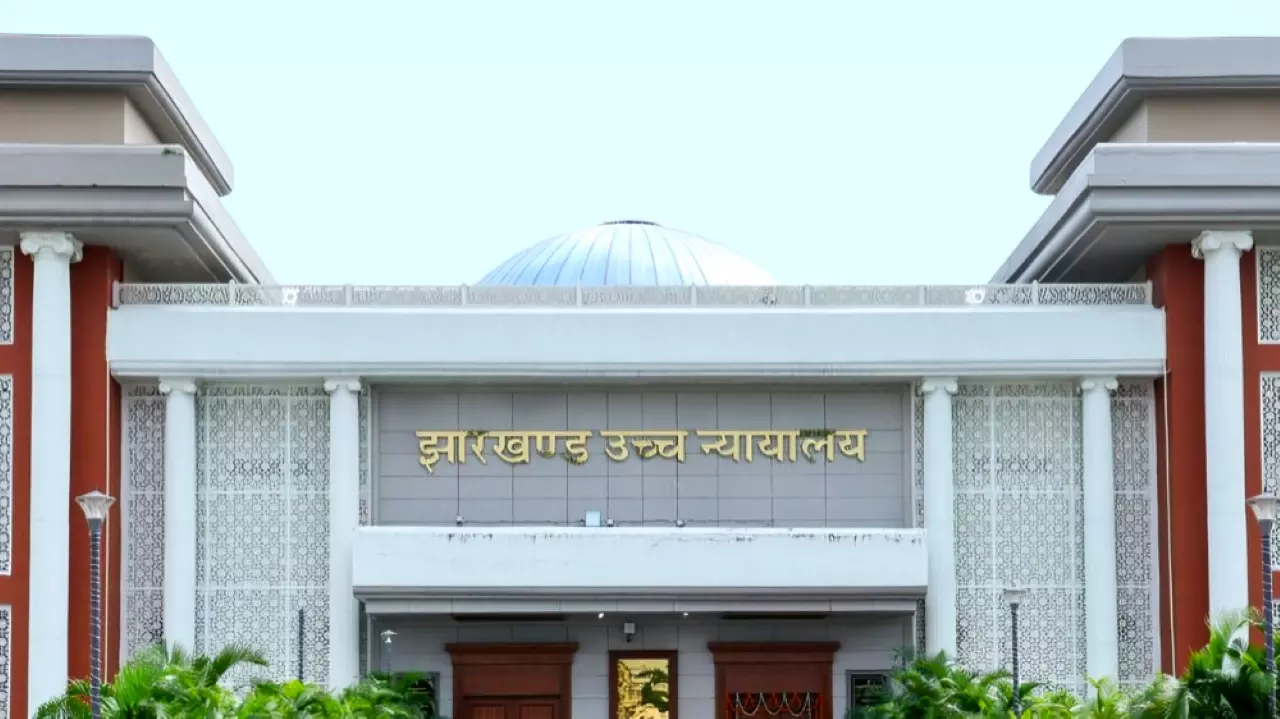
The concrete rupture in the narrative of India's expanding healthcare infrastructure was marked by the Jharkhand High Court's directive to improve the facilities at AIIMS Deoghar. The court, acting on a petition filed by MP Nishikant Dubey, emphasized that the right to healthcare is not merely a policy goal but a constitutional imperative that demands tangible, functional infrastructure. This ruling forces the administration to address specific deficiencies in the hospital's setup, ensuring that the facility can meet the high standards expected of an All India Institute of Medical Sciences and serve the local population effectively.
The underlying tension in this case reflects the broader institutional friction between the central government's ambitious expansion of medical education and the ground realities of state-level implementation. AIIMS institutions are often heralded as symbols of national progress, yet their operational readiness frequently lags behind their architectural completion. The court's intervention underscores the accountability gap, where political announcements of new institutions are not always matched by the sustained investment and management required to make them functional. This friction is particularly acute in states like Jharkhand, where access to quality healthcare remains a critical challenge for marginalized communities.
The downstream consequences of this judicial mandate are significant for the residents of Deoghar and the surrounding regions. By compelling the administration to upgrade the infrastructure, the court is effectively ensuring that the local population can access high-quality medical care without having to travel to distant urban centers. This not only improves health outcomes but also reduces the economic burden on families who previously had to bear the costs of travel and accommodation for medical treatment. The ruling sets a precedent for other AIIMS institutions, signaling that judicial oversight will be a key mechanism for ensuring that public healthcare investments deliver real value to citizens.
Comments 0