Judicial Authority Confronts Executive Mandate as Supreme Court Rebuffs Voting Restrictions
The Supreme Court has formally rejected the executive administration request to impose strict mail voting limitations under a disputed Postal Service plan. This legal intervention preserves existing electoral access standards nationwide just weeks before the looming midterm general elections.
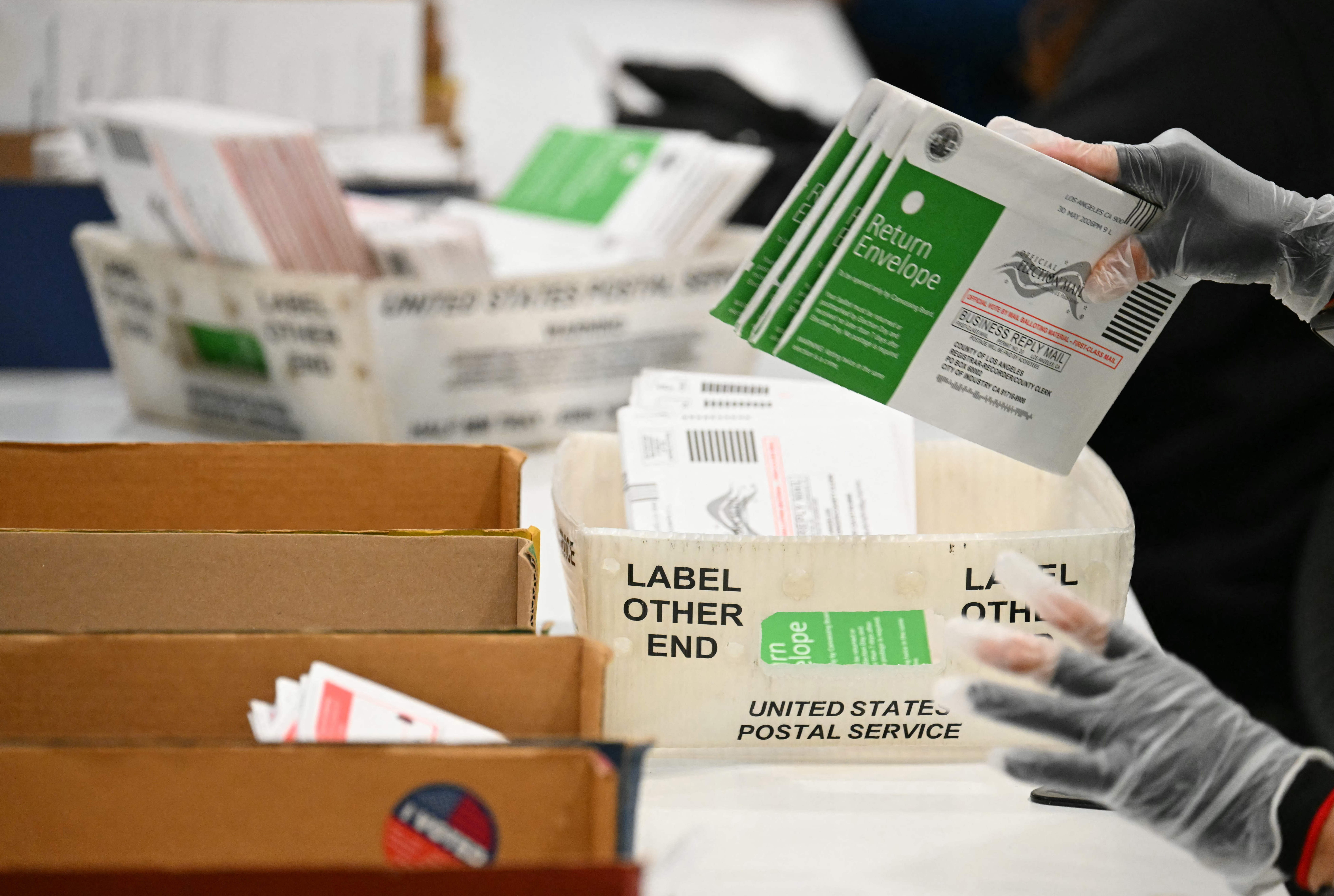
The highest court in the land issued a decisive order rejecting the administration push to restrict mail-in ballots through postal restructuring. Federal agencies had attempted to enforce operational hurdles that would have drastically curtailed absentee voting participation across multiple jurisdictions. Voting rights advocates immediately challenged the administrative maneuver in court, arguing that the timing and design of the postal adjustments violated foundational statutes governing federal elections. At the core of the dispute lies a profound struggle over administrative authority and ballot access during high-stakes election cycles. The executive branch defended the postal changes as routine logistical adjustments necessary for fiscal efficiency within federal logistics networks. Conversely, plaintiffs and allied civil rights organizations presented compelling evidence demonstrating that the operational bottlenecks would systematically suppress voter turnout in densely populated urban centers and historically marginalized communities. This judicial intervention secures ballot accessibility for millions of citizens who rely on postal voting systems to exercise their franchise. The ruling immediately blunts executive attempts to alter electoral rules by administrative fiat rather than legislative enactment. As political parties mobilize for the upcoming midterm contests, election administrators must now pivot to ensure rapid mail processing without federal interference.
Comments 0