Judicial Scrutiny Intensifies Over Delayed Appointment of Regular Punjab Police Chief
The Punjab and Haryana High Court has ordered the state government to justify its prolonged delay in appointing a regular Director General of Police. This legal intervention challenges executive discretion in high-level law enforcement postings.
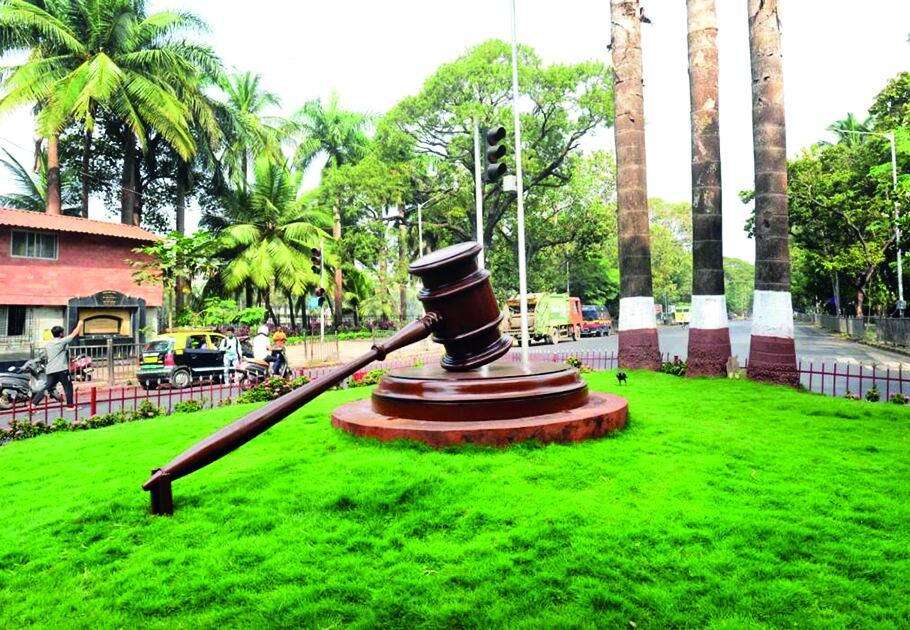
The governance of internal security in Punjab faced renewed judicial intervention when the local High Court issued a sharp directive demanding clear explanations for the state's persistent reliance on interim police leadership. For months, the administration has operated its primary law enforcement apparatus through temporary appointments, bypassing standardized administrative selection committees. The bench made it explicitly clear that administrative procrastination in filling the permanent Director General of Police slot undermines institutional accountability and destabilizes command structures. At the heart of this controversy lies an ongoing power struggle between executive political control and statutory police independence. State authorities frequently utilize interim postings to retain discretionary leverage over high-profile investigations and administrative transfers, circumventing union guidelines mandated by judicial precedents. Civil society watchdogs argue that this practice compromises police neutrality, particularly as political parties prepare for upcoming electoral cycles and demand partisan alignment within the constabulary. The tangible outcome of this legal confrontation forces the state executive to abandon procedural ambiguity and submit a transparent succession plan to the judiciary. Failure to comply risks contempt proceedings and direct judicial appointments, stripping the political executive of its traditional patronage powers over the police force. This ruling establishes a strict precedent that will likely constrain executive overreach in police administration nationwide.
Comments 0