Judicial Scrutiny Looms as Supreme Court Agrees to Hear Challenges Against Election Commission Leadership
The Supreme Court has agreed to hear petitions questioning the administrative decisions and structural authority of Chief Election Commissioner Gyanesh Kumar. This legal intervention highlights growing friction over institutional independence and the oversight mechanisms governing India's premier electoral body.
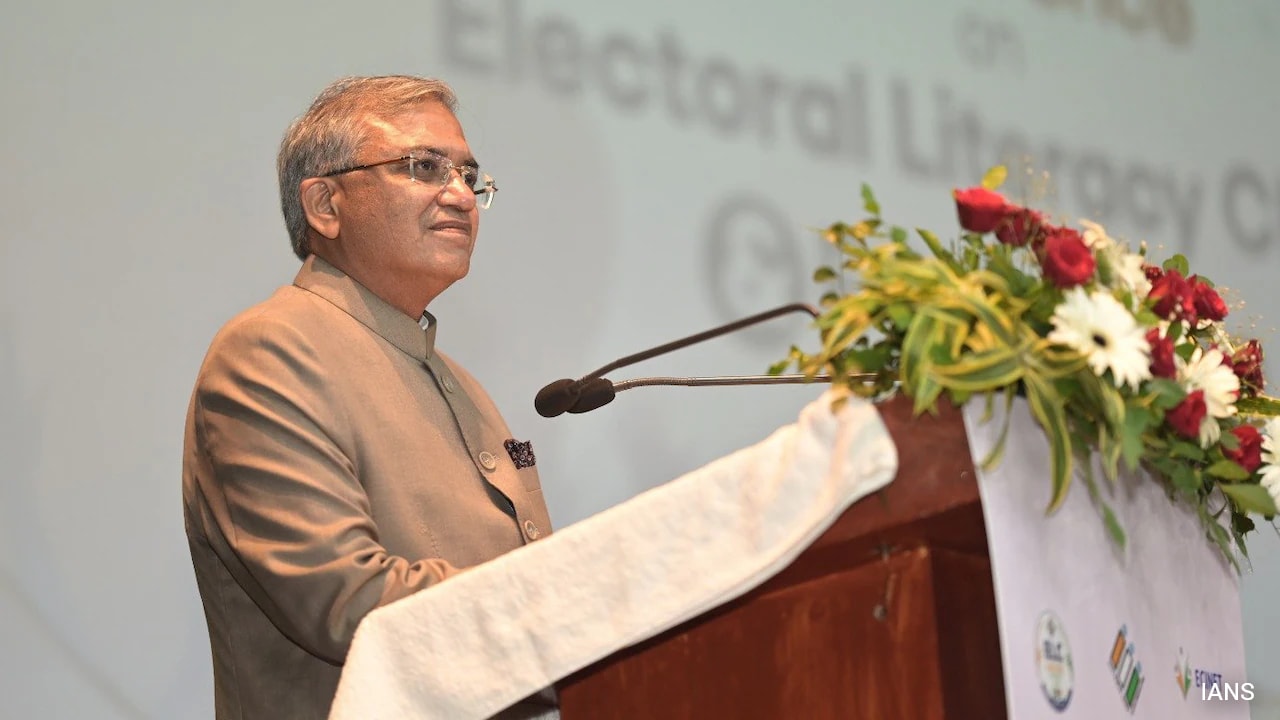
The highest court in the nation has set the stage for a constitutional showdown by accepting a petition challenging recent administrative actions taken under the leadership of Chief Election Commissioner Gyanesh Kumar. The legal challenge targets the core decision making processes within the Election Commission, raising fundamental questions about unanimity, transparency, and executive oversight. At stake is the perceived autonomy of an institution designed to stand as an impartial arbiter of democratic processes in the world's largest electorate. For months, political opposition groups and civil society actors have voiced mounting concern over procedural shifts within election administration, culminating in direct demands for accountability from top election officials. Critics argue that internal dissent mechanisms have been weakened, leading to opaque outcomes in critical electoral roll revisions and administrative rulings. The decision by the bench to entertain the petition signals judicial willingness to probe the inner workings of constitutional bodies that operate with wide administrative latitude. As the hearing approaches next week, the immediate fallout involves heightened political polarization and intensified scrutiny on the integrity of upcoming electoral cycles. A ruling adverse to the election authority could force a redrawing of administrative boundaries between executive oversight and judicial review, setting a powerful precedent for how independent regulators are held accountable in contemporary governance.
Comments 0