Judicial Separation of Religion and Public Celebration Highlighted by Calcutta High Court
Justice Joymalya Bagchi questioned the traditional association between religious identity and firecrackers during legal proceedings, emphasizing secular governance. The observation challenges prevailing cultural norms surrounding public festivities and environmental regulation across urban centers.
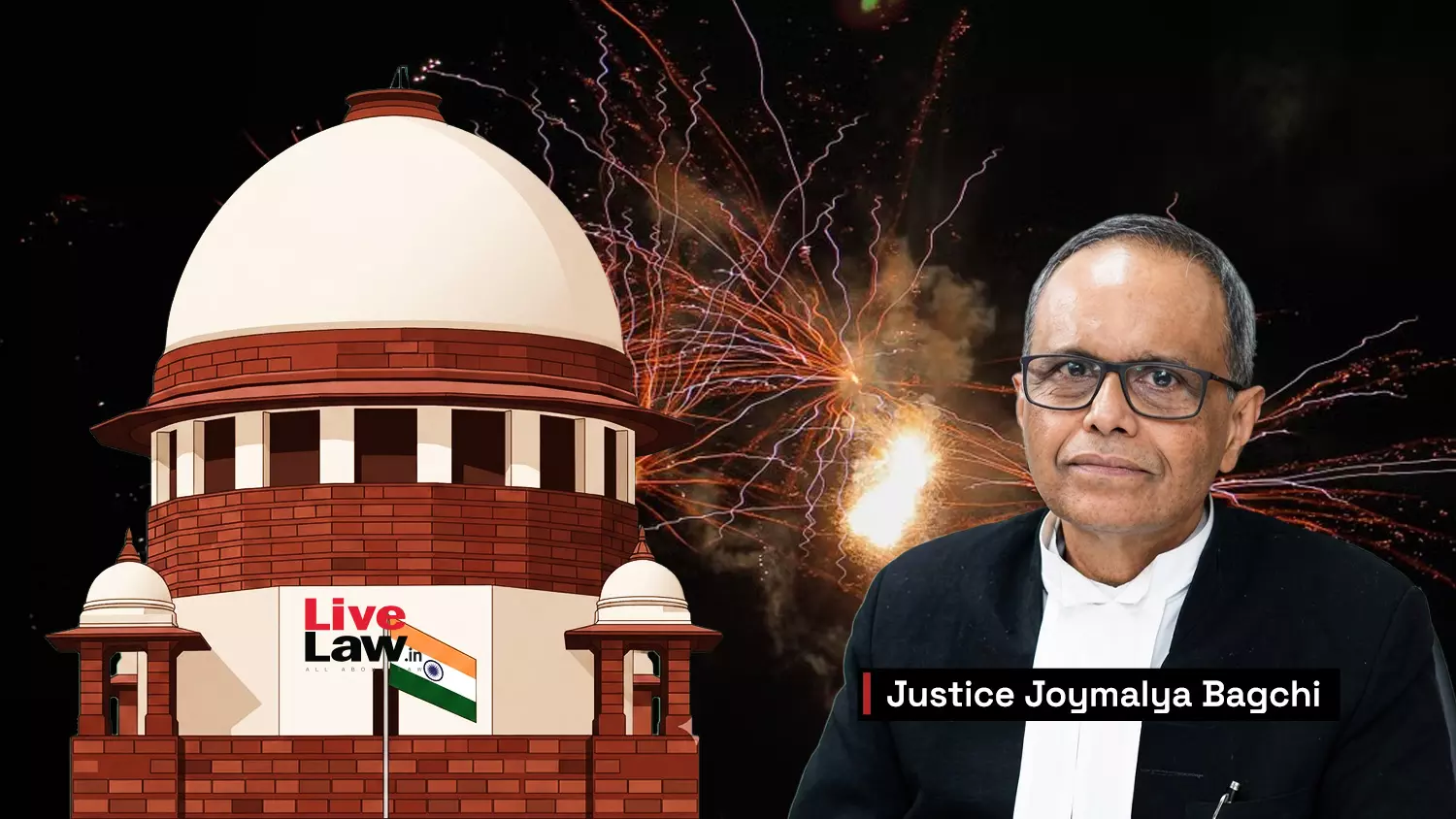
The Calcutta High Court steered public discourse toward the secular boundaries of cultural festivities with a pointed inquiry regarding the use of firecrackers during celebrations. Justice Joymalya Bagchi remarked on the logical disconnect between traditional religious practices and the combustion of hazardous pyrotechnics. This judicial observation cuts straight to the core of how modern urban communities balance religious expression with basic public health and environmental protection.
The intersection of faith and environmental regulation has long been a contentious battleground in India, where communal celebrations frequently collide with stringent pollution control mandates. Courts find themselves routinely intervening to curb hazardous emissions during festive periods, facing resistance from commercial vendors and traditionalists alike. By stripping away the religious defense often invoked for pyrotechnic usage, the judiciary attempts to reframe the debate purely around environmental safety and civic responsibility.
The immediate consequence of this judicial posture is increased regulatory backing for municipal authorities seeking to enforce noise and air pollution standards during festive seasons. Vendors and organizers must navigate a judicial environment increasingly intolerant of environmental degradation disguised as traditional observance. This judicial clarity sets a precedent for future policy implementations governing public space and civic compliance.
Comments 0