Judicial Severity in Mumbai Capitalizes on Juvenile Accountability Precedents
The Bombay High Court has rejected bail for a teenager implicated in a fatal vehicular collision. The judicial reasoning explicitly underscores the necessity of curbing societal indulgence toward affluent juvenile offenders.
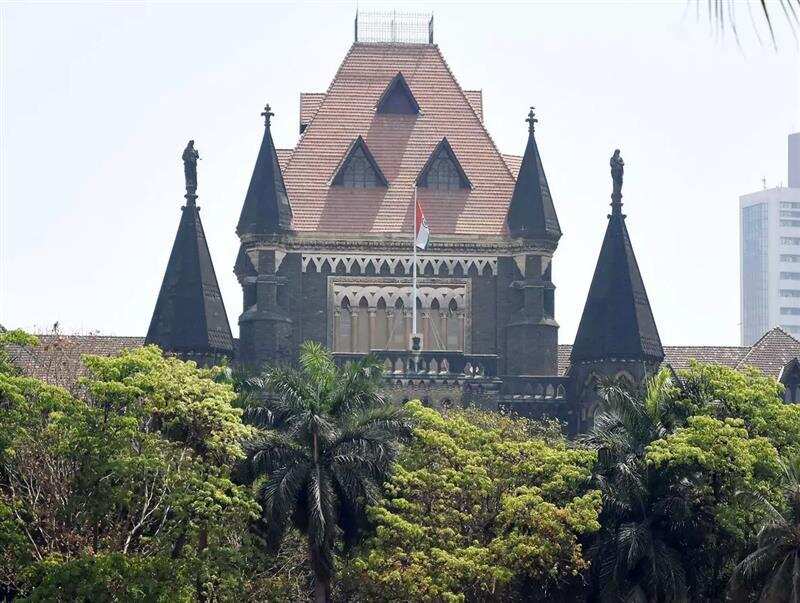
The Bombay High Court delivered a firm judicial pronouncement by denying bail to a minor involved in a high-profile fatal car crash that shook public conscience in Maharashtra. In its detailed order, the bench emphasized that leniency toward youthful offenders in severe criminal matters erodes public trust in the administration of justice. The ruling serves as a stern warning against the systemic shielding of privileged juveniles by legal and familial proxies. This judicial stance reflects growing institutional friction between statutory protections for juveniles and public demand for retributive accountability in cases of gross negligence. Defense arguments centered on rehabilitation and age were systematically dismantled by the court's focus on the gravity of the offense and the recklessness of the conduct. The decision signals a hardening judicial attitude toward crimes arising from parental negligence and affluent impunity. Families and legal guardians of affluent minors can no longer rely on procedural leniency to insulate them from the severe consequences of reckless behavior. The ruling immediately elevates the legal risk profile for juvenile offenders involved in egregious public safety violations across the state. Consequently, law enforcement agencies are emboldened to pursue rigorous prosecutions without yielding to political or financial influence.
Comments 0