Juhu Beach Grapples with Fivefold Waste Surge After Chhath Celebrations
The municipal corporation of Mumbai reported a fivefold increase in litter on Juhu beach following the recent Chhath Puja festivities. The sudden overflow has strained local sanitation crews and ignited public debate over festival waste management policies.
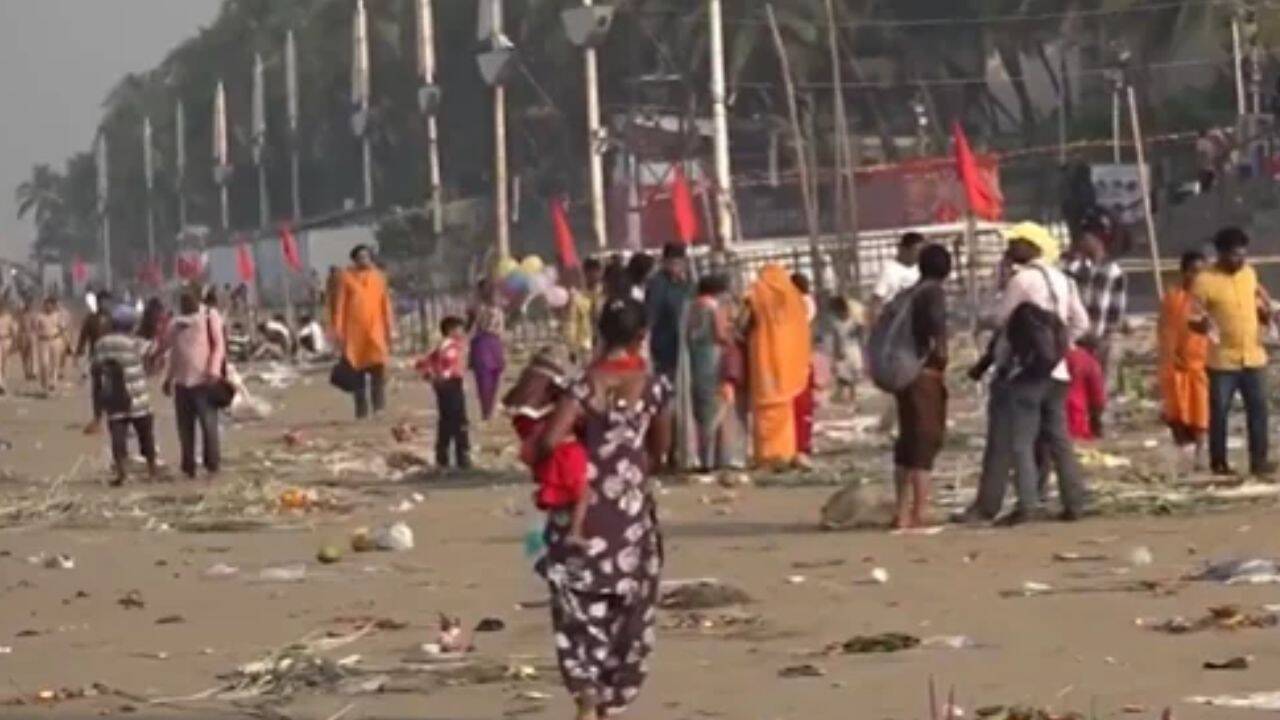
In the days after Chhath Puja, volunteers and devotees gathered along Juhu's shoreline to perform traditional rites, leaving behind a substantial amount of organic and synthetic refuse. City officials counted roughly twenty‑five tonnes of waste, a figure that dwarfs the usual daily collection by a factor of five. The debris includes discarded flower garlands, plastic containers, and remnants of food offerings, all of which have begun to litter the sand and threaten the coastal ecosystem.
The surge in litter has exposed a deeper institutional friction between municipal authorities and community organizers. While the Brihanmumbai Municipal Corporation (BMC) maintains that it issued guidelines for responsible disposal, many local groups contend that the guidelines were insufficiently communicated and lacked enforcement mechanisms. This disconnect has fueled a broader conversation about the need for dedicated waste‑collection points during large religious gatherings, a measure that some civic leaders argue could prevent future overloads.
The tangible fallout extends beyond the immediate visual blight. Marine life along the coast faces heightened risk of entanglement and ingestion of plastic fragments, potentially disrupting the food chain. Moreover, the additional cleanup costs, estimated in the millions of rupees, will divert funds from other municipal projects such as road repairs and public health initiatives. The episode may also influence future policy, prompting the city to consider stricter penalties for littering during festivals and to invest in community education campaigns aimed at sustainable celebration practices.
Comments 0