Justice Nagarathna Calls for One‑Third Women Lawyers on Government Panels
Justice B.V. Nagarathna urged that women lawyers occupy at least a third of seats on all government committees. The appeal has set in motion a series of internal reviews by ministries seeking to rebalance representation in policy‑making bodies.
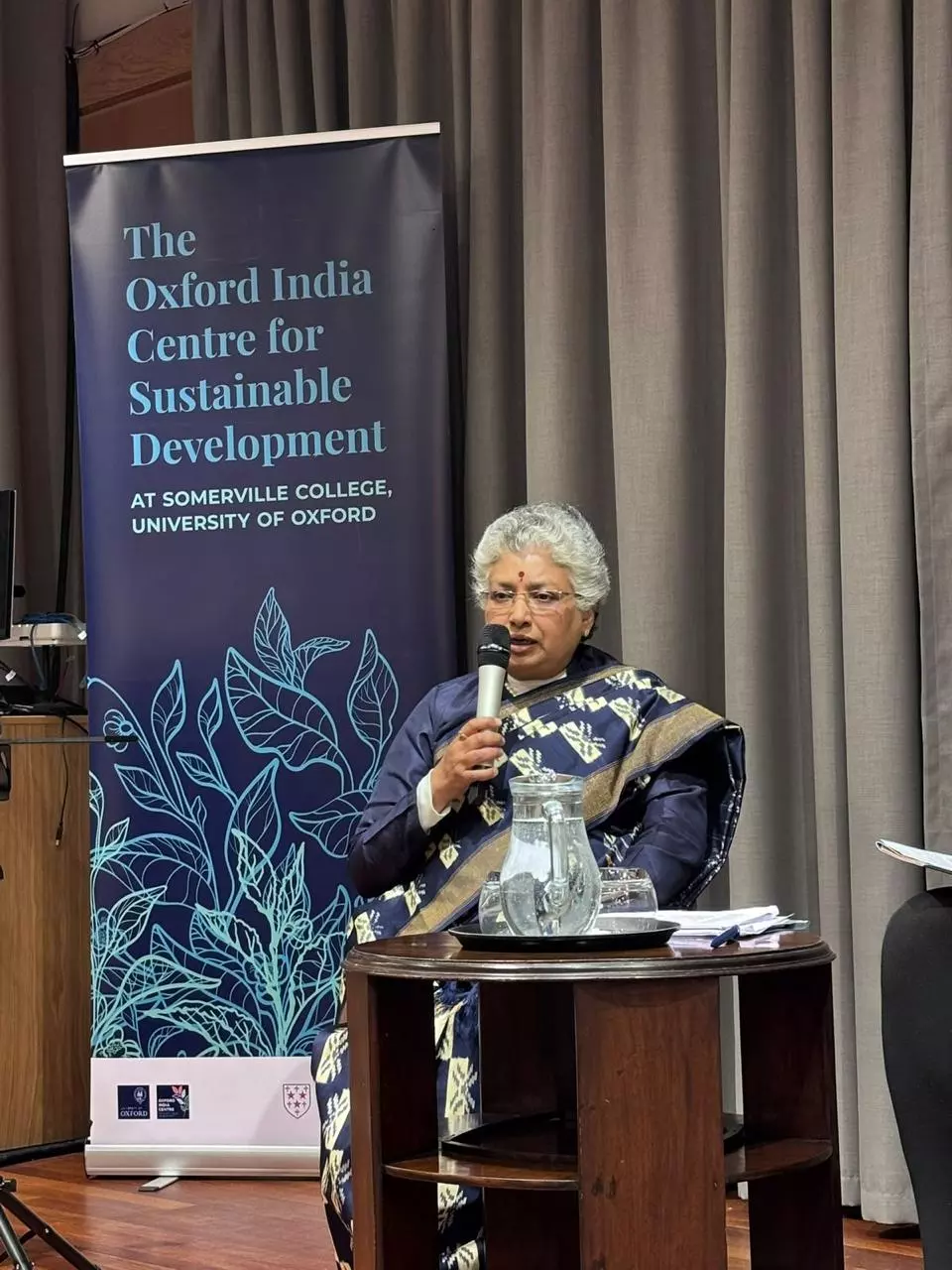
The concrete rupture in this discourse was sparked by Justice Nagarathna’s public statement that the constitutional guarantee of equality remains hollow unless women lawyers are accorded a substantive voice in governmental deliberations. She emphasized that the right to pursue one’s choices, enshrined in Articles 14 and 15, cannot be realized without structural inclusion. Her remarks resonated across the legal community, prompting immediate calls for ministries to audit panel compositions and rectify gender imbalances.
Underlying tension and institutional friction arise from entrenched appointment practices that have historically favored senior male counsel. Several ministries rely on informal networks and legacy criteria that marginalise qualified women practitioners. The justice’s demand therefore challenges long‑standing patronage, compelling senior officials to confront implicit bias and to devise transparent selection mechanisms. Resistance has been voiced by some senior bureaucrats who argue that merit, not gender, should dictate appointments, a stance that fuels a broader debate on affirmative action versus meritocracy.
Downstream casualties and tangible outcomes will be measured by the speed and depth of panel restructuring. Early adopters may witness a shift in policy recommendations, particularly on issues affecting women’s rights and social welfare, as diverse perspectives enter the decision‑making arena. Over the next year, the push for gender parity could inspire legislative amendments mandating minimum representation thresholds, thereby reshaping the composition of advisory bodies across the nation.
Comments 0