Jute too dear, tea too cheap: Bengal’s twin cash crops in contrasting crises
West Bengal's jute and tea industries are facing contrasting crises, with jute prices soaring and tea prices falling. This disparity is impacting farmers and workers in the region, highlighting the economic challenges faced by these traditional cash crops.
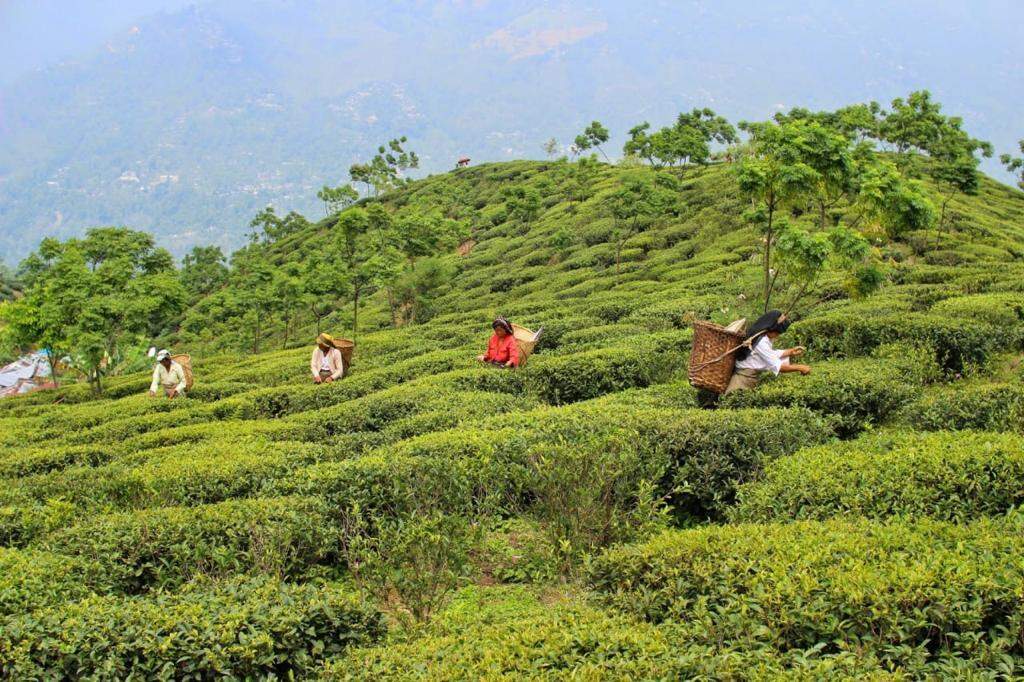
West Bengal's agricultural sector is experiencing a stark contrast between its two major cash crops, jute and tea. Jute prices have risen significantly, making it a lucrative commodity for farmers, while tea prices have dropped, causing financial strain for tea garden workers and owners. This divergence reflects broader market dynamics and supply chain issues affecting different agricultural products. The jute industry, often called the golden fiber, is benefiting from increased demand and limited supply, whereas the tea industry is grappling with oversupply and declining global prices. This situation poses unique challenges for the state's economy, which relies heavily on these sectors for employment and revenue.
The rise in jute prices is a boon for farmers, who can now earn better returns for their labor. However, the fall in tea prices is a cause for concern, as it affects the livelihoods of thousands of workers in the tea gardens. The tea industry in West Bengal is a major employer, and any decline in prices can lead to reduced wages and job insecurity. This contrast underscores the vulnerability of agricultural sectors to market fluctuations and the need for diversified income sources for farmers and workers. The state government and industry bodies are likely to be monitoring these trends closely to mitigate the impact on the local economy.
For readers in West Bengal, this development highlights the economic realities facing the state's agricultural communities. It is important for farmers and workers to stay informed about market trends and seek support from local cooperatives and government schemes. The contrasting fortunes of jute and tea also raise questions about the sustainability of these industries and the need for policy interventions to stabilize prices and support vulnerable workers. Understanding these dynamics is for anyone involved in or affected by the agricultural sector in the region.
Comments 0