Kanpur Hotel Looting Sparks Judicial Probe into Senior Police Officers
The Allahabad High Court ruled that the investigating officer's affidavit was unsatisfactory and found prima facie evidence of senior police involvement in the Kanpur hotel looting. The order compelled the state DGP to be briefed, igniting a wave of scrutiny over law‑enforcement integrity in Uttar Pradesh.
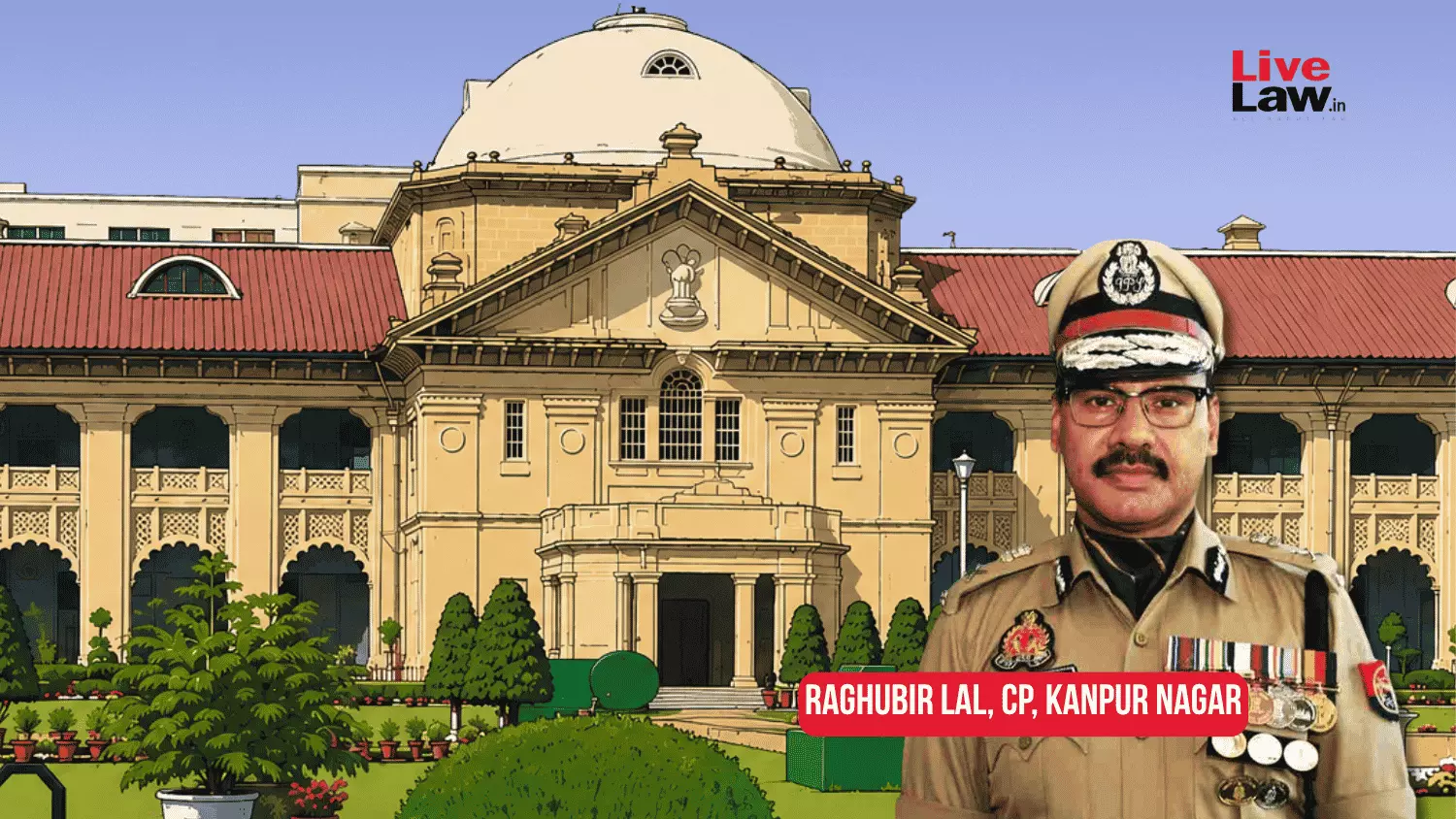
The High Court's decision emerged after a petition highlighted irregularities in the handling of the Negi Grand hotel incident, where armed men looted valuables and vandalised property. The bench dismissed the affidavit submitted by the investigating officer, deeming it insufficient to exonerate senior officials, and directed that the Director General of Police be apprised of the judgment. This procedural move signalled a willingness of the judiciary to intervene when police narratives appear incomplete, setting a precedent for future oversight.
Underlying the courtroom drama is a simmering tension between the state's political leadership and its police hierarchy. Senior officers have long operated under a veil of administrative immunity, yet the court's finding threatens to erode that shield. Critics argue that the case reflects deeper institutional friction, where political patronage collides with demands for accountability. The summons to the DGP amplifies pressure on the police to demonstrate transparency, potentially prompting internal reviews and reshaping command structures.
The downstream ramifications could reshape public confidence in law enforcement across the region. Should the investigation uncover further complicity, senior officers may face suspension or transfer, unsettling the chain of command. Moreover, the verdict may embolden civil‑society groups to demand broader reforms, influencing legislative proposals on police oversight. In the longer term, the episode could alter the calculus of political actors who rely on police support, recalibrating power dynamics within Uttar Pradesh's governance.
Comments 0