Karnataka High Court Deems Public Service Commission Recruitment Fraud a Constitutional Injury
The Karnataka High Court delivered a scathing verdict condemning irregularities within state recruitment processes as a fundamental breach of constitutional trust. This judicial indictment mandates sweeping administrative reforms and threatens the tenure of compromised civil service administrators.
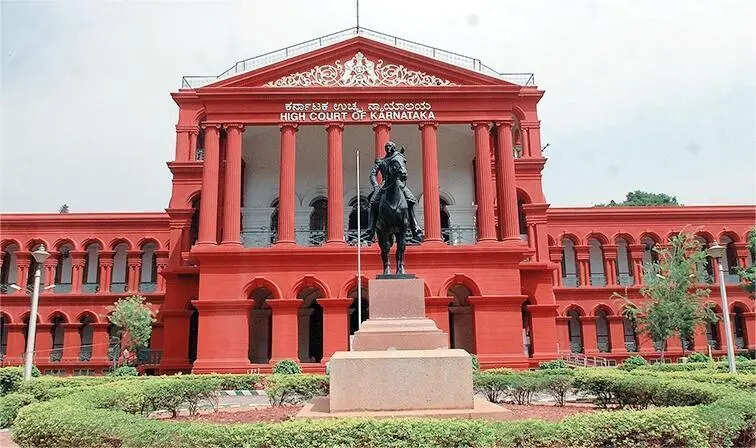
The judiciary stepped firmly into the administrative machinery this week when the Karnataka High Court characterized systemic recruitment irregularities inside the state public service commission as an outright fraud upon the foundational text of the Constitution. For months, aspirants and civil society watchdogs have pointed toward manipulated merit lists and backroom patronage networks that systematically sidelined deserving candidates. The court noted that administrative corruption of this magnitude goes far beyond mere bureaucratic failure, striking directly at the egalitarian promise enshrined in state employment practices. At the center of this judicial rebuke lies a long-standing culture of administrative impunity where oversight bodies operated with minimal accountability. Recruitment boards have historically functioned as insulated fiefdoms, vulnerable to external political maneuvering and insider patronage. By formally framing these failures as a constitutional crisis rather than routine administrative malpractice, the High Court has dismantled the traditional shield of bureaucratic autonomy, inviting deeper judicial scrutiny into executive hiring protocols. The immediate fallout forces the state government to overhaul testing integrity protocols and reevaluate thousands of contested appointments currently clogging the civil service pipeline. Aspiring candidates who faced systemic disenfranchisement now find a legal avenue for restitution, while current officials linked to the rigged evaluations face imminent suspension and criminal inquiry. Institutional trust in regional governance takes a severe hit, demanding rigorous structural transparency to restore any semblance of procedural fairness.
Comments 0