Karnataka High Court Grants Bail to Journalist Accused of Impersonating Officer
The Karnataka High Court released a journalist on bail after he was charged with posing as a police officer and planting narcotics to extort money. The ruling has sparked debate over press freedom and the limits of investigative reporting.
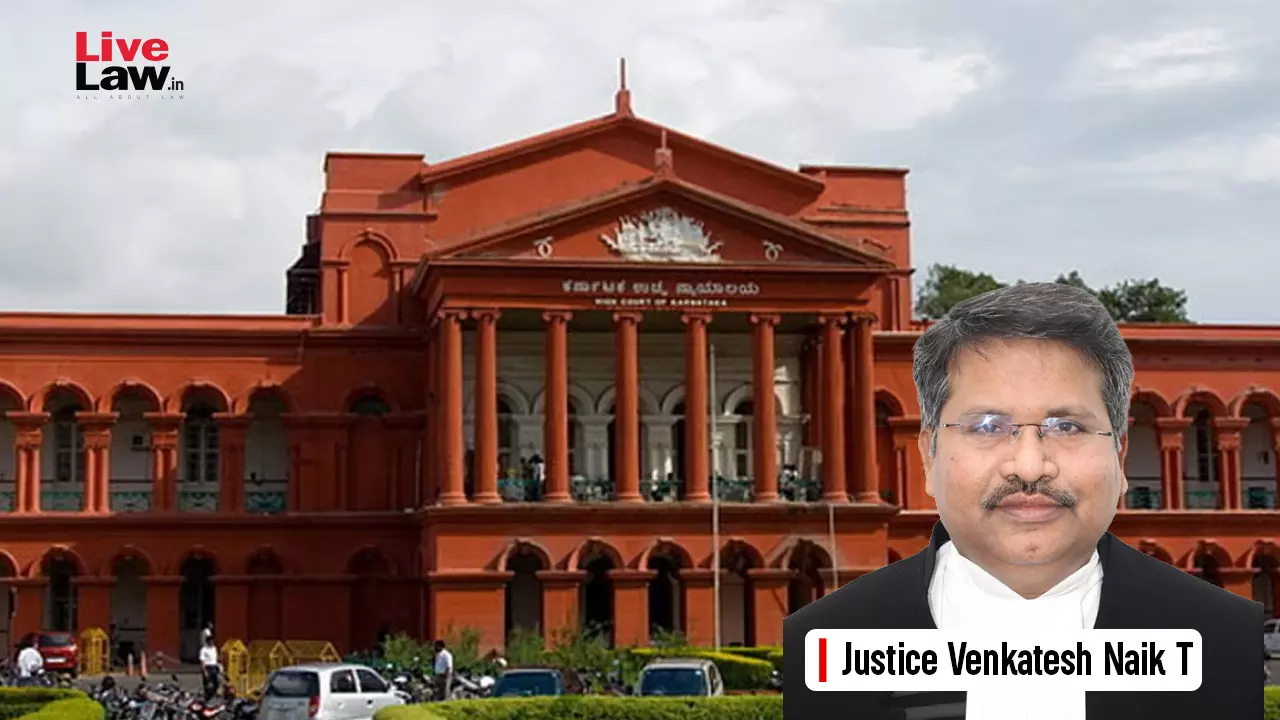
The concrete rupture occurred when the Karnataka High Court issued a bail order for the journalist, who had been arrested on allegations of masquerading as a police official to plant controlled substances at a suspect's residence. The prosecution argued that the act was a premeditated scheme to extract financial gain, while the defence maintained that the journalist was conducting an undercover investigation into corruption. The bail decision was accompanied by a directive for the investigative agency to submit a detailed report on the alleged misconduct.
Underlying tension centers on the delicate balance between journalistic inquiry and the rule of law. Media watchdogs have warned that criminalising undercover techniques could deter investigative reporting, especially in a state where corruption cases are frequent. Conversely, law‑enforcement agencies contend that impersonation undermines public trust and can lead to wrongful accusations. The case has also drawn the attention of the Press Council of India, which is monitoring the proceedings for potential implications on media ethics.
Downstream, the journalist's release has emboldened other reporters to pursue aggressive stories, albeit with heightened caution regarding legal safeguards. The incident has prompted several news organisations to review their internal protocols for undercover work, introducing stricter oversight mechanisms. Over the next twelve months, the judiciary may be called upon to delineate clearer boundaries for permissible investigative methods, influencing the operational for the press in Karnataka and beyond.
Comments 0