Karnataka High Court Quashes Riot Case Over Lack Of Independent Witnesses And Police Reliance
The Karnataka High Court quashed an unlawful assembly and rioting case against seventeen accused individuals near a local dargah. The bench based its decision on the glaring absence of independent civilian witnesses, noting that the prosecution relied exclusively on police testimony.
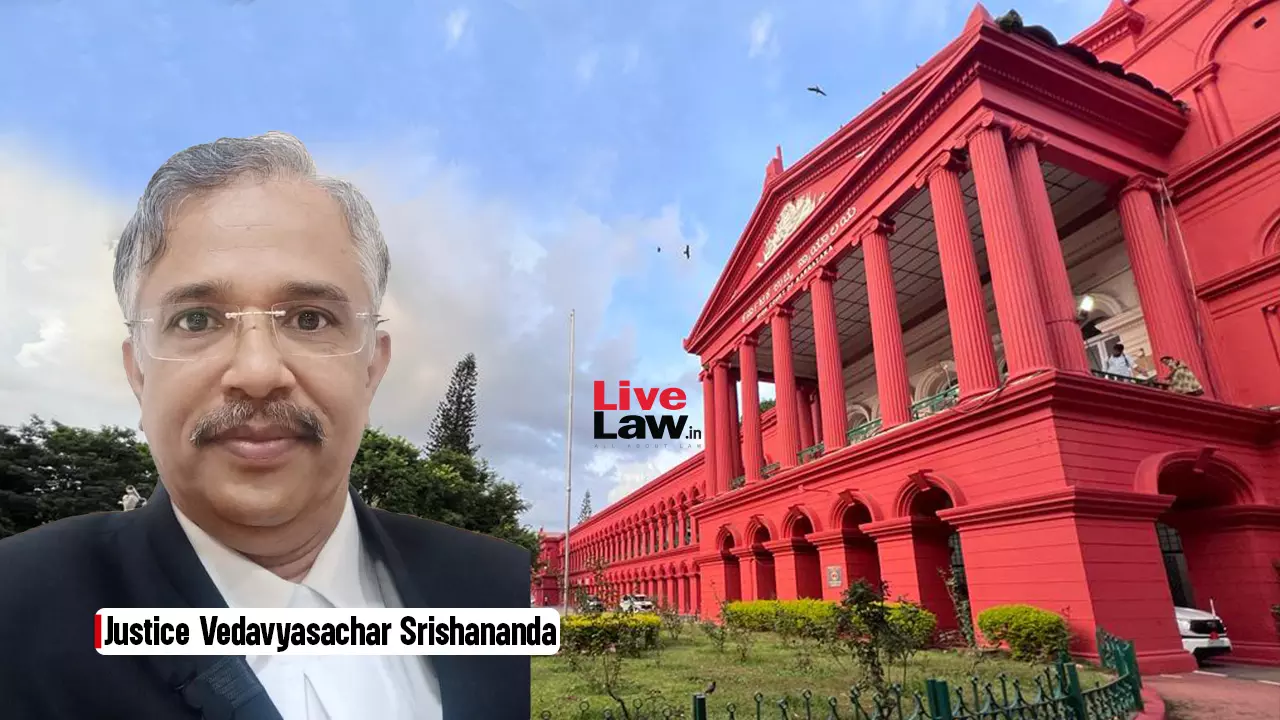
The decision by the Karnataka High Court to set aside criminal proceedings in a communally sensitive rioting case highlights vital evidentiary standards required for prosecuting public disorder. The prosecution had charged seventeen individuals with provoking riots and participating in unlawful assembly near a religious shrine, relying entirely on the depositions of police personnel present at the scene. Upon appellate review, the court observed that despite the alleged incident occurring in a populated urban zone, investigators failed to secure a single independent civilian witness to corroborate the official narrative, rendering the charges legally infirm.
In many jurisdictions across India, public order prosecutions often suffer from slipshod investigative practices where police departments substitute corroborative evidence with institutional assertions. When civil unrest erupts near sensitive religious sites, law enforcement agencies face intense political pressure to arrest suspects rapidly, frequently rounding up individuals based on generalized suspicion rather than verified identification. This reliance on departmental testimony without civilian backing creates severe vulnerabilities in the judicial chain, exposing overzealous prosecutions to swift legal dismantling in higher courts.
The direct beneficiary of this judgment is the group of seventeen discharged individuals, who are now relieved of protracted trial burdens and social stigma. However, the wider systemic fallout falls squarely on the investigating agency, whose inability to secure impartial witnesses points to systemic investigative failures during civil disturbances. This ruling serves as a stern judicial reminder that standard police accounts alone cannot sustain criminal convictions in politically charged assembly cases without independent verification.
Comments 0