Karnataka High Court Rules Against Monetary Claims for Private Aided Staff
The Karnataka High Court has barred employees of private aided educational institutions from claiming monetary benefits for periods without state grants. This ruling clarifies the financial boundaries of state support and impacts the compensation structures of thousands of educators.
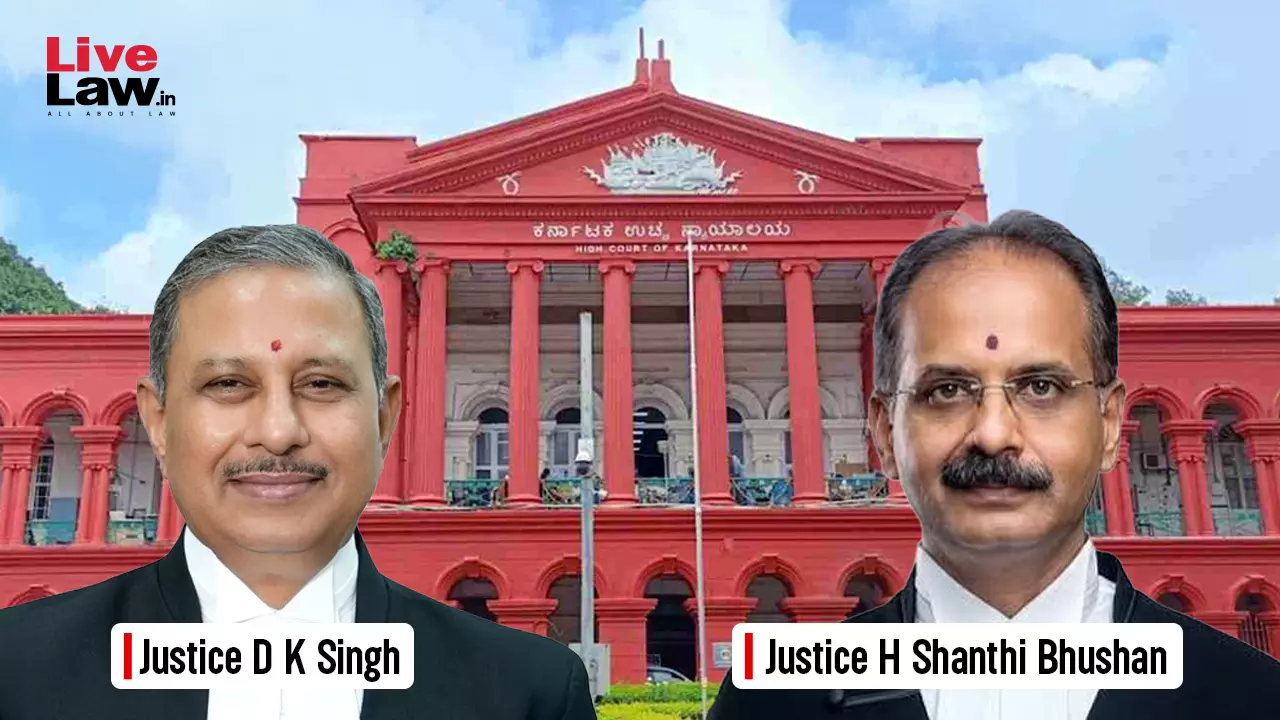
In a significant legal development, the Karnataka High Court has issued a ruling that denies employees of private aided educational institutions the right to claim monetary benefits from the state for periods when no grants were received. This decision draws a sharp line between the state's obligation to support education and the financial responsibilities of private entities. The court's stance effectively limits the scope of state liability, ensuring that public funds are not used to subsidize private payroll during non-grant periods.
The underlying tension in this case reflects the complex relationship between the state and the private education sector in India. While the government provides grants to maintain educational standards, private institutions often operate with a degree of autonomy that complicates the application of public service rules. The friction arises from the expectation of parity in benefits between government and private sector employees, a demand that the court has now firmly rejected in the context of non-grant periods.
The immediate casualty of this ruling is the financial expectation of thousands of educators who had hoped for retroactive or ongoing monetary adjustments. For the state, the decision offers fiscal relief and a clearer framework for budget allocation. In the long term, this precedent may discourage private institutions from seeking state subsidies for operational costs, potentially leading to a more distinct separation between public and private educational funding models in Karnataka.
Comments 0