Karnataka Hikes Milk Prices by Rs 8 per Litre, Farmers Gain Rs 7
The Karnataka Cabinet has approved an Rs 8 per litre increase in milk prices, effective November 1, with farmers receiving Rs 7 and cooperatives retaining Re 1. This adjustment aims to address the financial distress of dairy farmers, who have been grappling with rising input costs and stagnant incomes, while also ensuring the sustainability of the cooperative model.
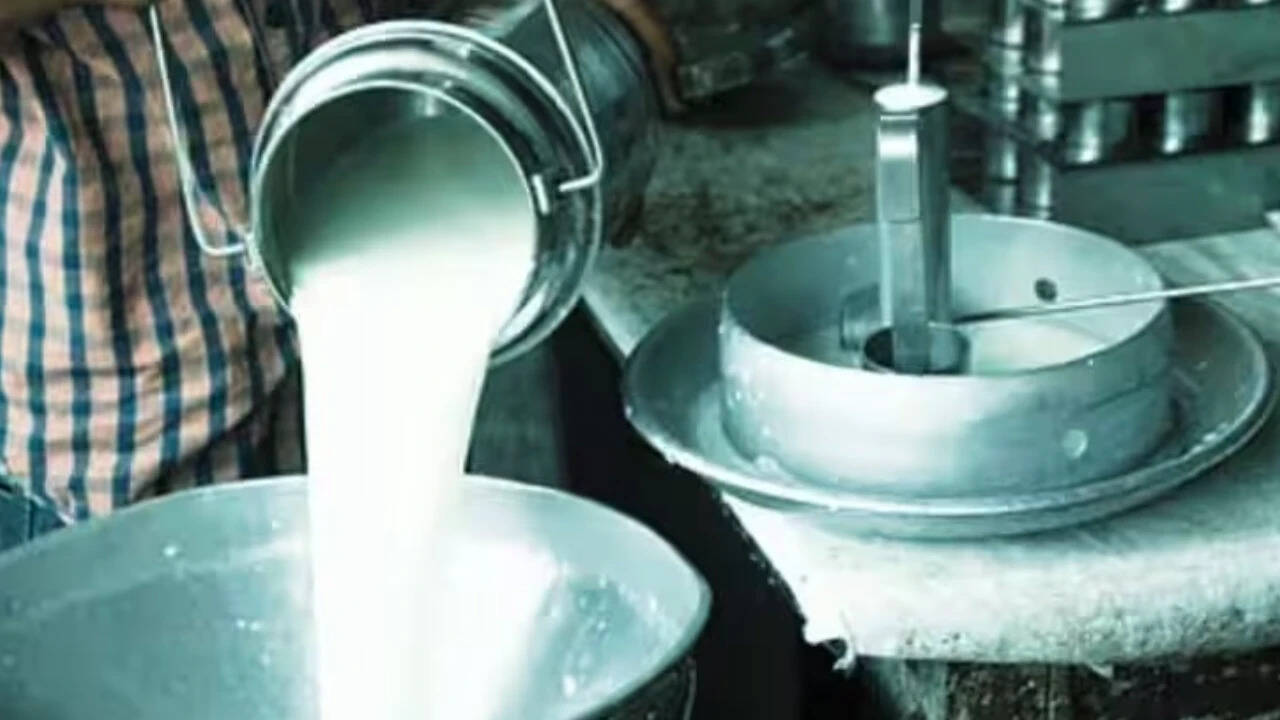
The decision by the Karnataka Cabinet to hike milk prices by Rs 8 per litre is a significant intervention in the state's dairy sector, aimed at alleviating the financial pressure on farmers. The immediate outcome is a direct boost to the incomes of dairy farmers, who will receive an additional Rs 7 per litre, while cooperatives will benefit from Re 1. This move is a response to the growing discontent among farmers, who have been struggling to make ends meet due to rising costs of feed, fuel, and labor. The shockwave of this price hike will be felt across the supply chain, from the farm gate to the retail shelf, as consumers face higher prices for a staple good.
The underlying tension in Karnataka's dairy sector is a long-standing conflict between the need to keep milk affordable for consumers and the imperative to ensure a viable income for farmers. The cooperative model, which has been a cornerstone of the state's dairy industry, is under strain as it tries to balance these competing interests. The price hike is a recognition that the current pricing structure is unsustainable, but it also raises questions about the impact on low-income households who rely on milk as a primary source of nutrition. The friction between the state's social welfare objectives and the economic realities of the dairy sector is likely to intensify, with potential political backlash from consumer groups.
The downstream consequences of this price increase will be a shift in consumer behavior, with some households opting for cheaper alternatives or reducing their milk consumption. The tangible outcome for farmers is a much-needed relief, but it is not a long-term solution to the structural issues in the dairy sector. The incident will likely lead to a broader discussion on the role of cooperatives in the dairy supply chain and the need for a more sustainable pricing model. For the state government, this is a political gamble, as it risks alienating a large segment of the electorate while trying to support a key agricultural sector.
Comments 0