Karnataka Leadership Claims Global Policy Influence Following International Welfare Announcements
State political figures asserted that recent foreign financial proposals mirror local populist welfare guarantees. The public comparison highlights an unusual cross-continental ideological exchange between regional Indian governance and Western economic platforms.
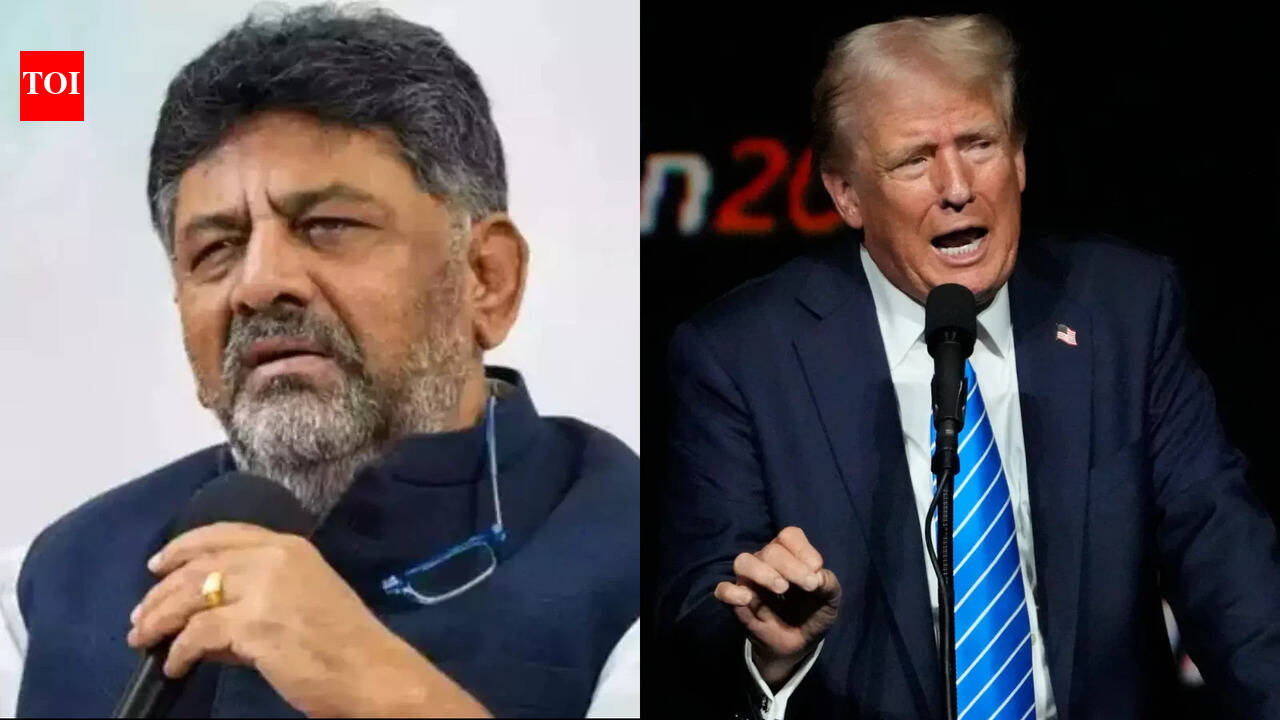
Senior state ministers highlighted structural similarities between domestic income support models and foreign financial proposals, arguing that regional governance paradigms now command global attention. Local political rallies frequently center on direct benefit transfers as the primary instrument of economic justice. Party organizers maintained that sustained grassroots execution of these programs established a blueprint for equitable resource distribution. Opposition factions challenged the comparative narrative, characterizing the rhetoric as political posturing detached from fiscal realities. Economists raised persistent questions regarding the long-term sustainability of debt-financed subsidy frameworks within subnational budgets. Despite these criticisms, the ruling coalition continues to position its welfare architecture as a universal model for modern democratic states. Taxpayers and commercial enterprises bear the indirect costs of revenue reallocation required to fund recurring expenditure commitments. Infrastructure development budgets face contraction as recurring welfare obligations consume larger portions of annual fiscal allocations. Political analysts anticipate that this welfare-centric strategy will dominate upcoming legislative campaigns across multiple states.
Comments 0