Diplomatic Absence at BRICS Gala Highlights Domestic Political Friction in India
Opposition chief ministers declined invitations to a high-profile BRICS summit dinner, underscoring persistent animosities within the Indian political sphere. The conspicuous absence occurred despite the state-level leaders being extended formal protocols for the international gathering.
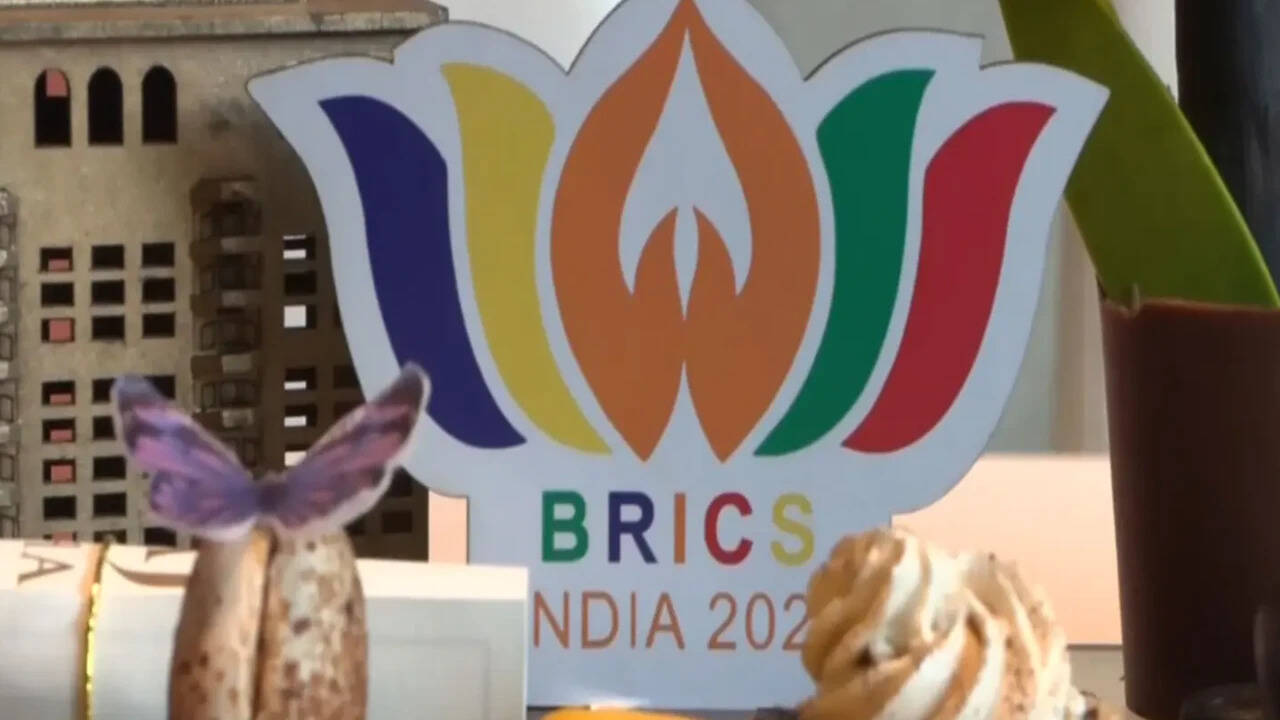
The diplomatic gala surrounding the BRICS summit was designed to project national unity and economic ambition to visiting international delegations. However, the decision of three prominent Congress-affiliated chief ministers to boycott the proceedings turned a diplomatic showcase into a domestic political talking point. State-level strategists framed the absence as a principled stance against central government hegemony, while ruling party officials condemned the move as unpatriotic pettiness on the global stage. This boycott reflects the deeply entrenched polarization defining contemporary Indian federalism, where cooperative federalism frequently founders on partisan rivalries. State executives operate under immense pressure to balance local political survival against national diplomatic imperatives. By opting out of the banquet, these leaders sought to signal their distinct political identity to regional constituencies while distancing themselves from the ruling coalition's optics. The immediate fallout includes renewed media debate over protocol etiquette and the diminishing space for bipartisan consensus during international visits. While foreign delegates remained focused on multilateral trade and technological cooperation, domestic commentators dissected the seating charts and absence lists for signs of shifting political alliances. The incident reinforces the reality that India's democracy frequently projects its internal friction directly onto the global stage.
Comments 0