Karnataka SIR Reveals Low Voter Return Rate, Raising Electoral Integrity Questions
Only 9% of deleted voters in Karnataka have applied to return to the electoral rolls, a figure that raises concerns about the integrity of the electoral process. This low return rate suggests that the deletion process may have been overly aggressive or that voters are disengaged from the electoral system.
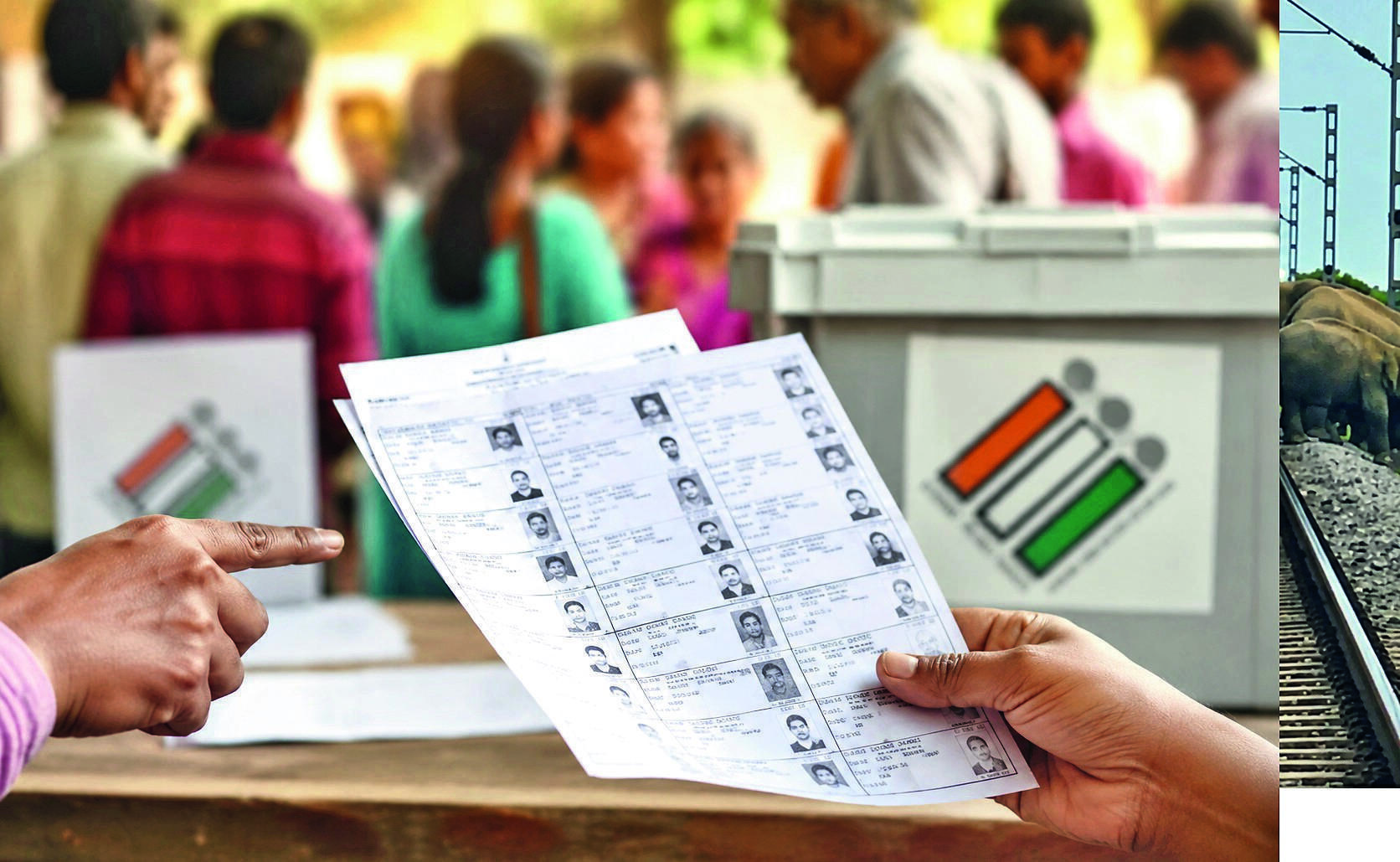
The low return rate of deleted voters in Karnataka's Special Intensive Revision (SIR) exercise is a red flag for the integrity of the state's electoral process. The fact that only 9% of deleted voters have applied to return suggests that the deletion process may have been overly aggressive, potentially removing valid voters from the rolls. This could have significant implications for the fairness and representativeness of future elections. The low return rate also raises questions about voter engagement and the effectiveness of the SIR process in ensuring an accurate and up-to-date electoral roll.
The underlying tension in this situation is the balance between the need for a clean electoral roll and the risk of disenfranchising valid voters. The Election Commission of India has emphasized the importance of the SIR process in removing fake and duplicate entries, but the low return rate suggests that the process may have been too broad in its scope. The institutional friction here is between the desire for a clean roll and the need to protect the voting rights of all citizens. The ECI must navigate this balance, ensuring that the SIR process is both effective and fair.
The downstream consequences of this low return rate will be felt in the next general election. If a significant number of valid voters are removed from the rolls, it could lead to a skewed representation of the electorate, potentially affecting the outcome of the election. The tangible outcome will be a more accurate and representative electoral roll, but only if the ECI takes steps to address the low return rate and ensure that all valid voters are included. The success of this initiative will depend on the ECI's ability to balance the need for a clean roll with the protection of voter rights.
Comments 0