Karnataka's Ethanol Mandate Sparks Industry Backlash as OMCs Reject Testing
Oil marketing companies have rejected the state government's 30 percent ethanol blending claim, citing flaws in the sampling methodology. This dispute highlights the growing friction between state-level energy policies and national industry standards.
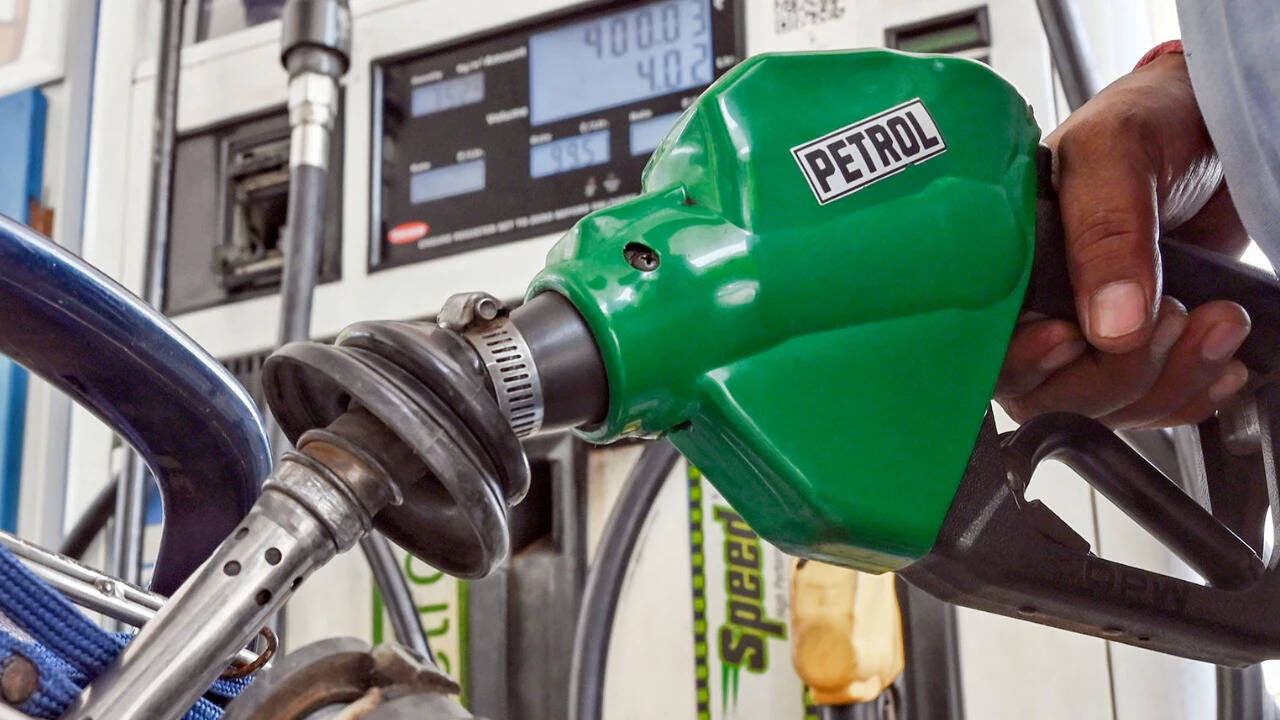
A significant confrontation has erupted in India's energy sector as oil marketing companies (OMCs) have formally rejected the Karnataka government's claim of achieving 30 percent ethanol blending in its fuel supply. The OMCs, including major players like IOC, BP, and HP, have questioned the validity of the state's sampling and testing methods, arguing that they do not meet established industry standards. This rejection has thrown the state's energy policy into disarray, raising doubts about the accuracy of its reported progress in renewable fuel adoption.
The underlying tension in this dispute reflects a broader clash between state-level political ambitions and the operational realities of the national fuel supply chain. Karnataka's push to lead in ethanol blending is part of a larger national strategy to reduce fossil fuel dependence, but the lack of standardized testing protocols has created a vacuum for political claims. The OMCs' refusal to validate the state's data suggests a deeper institutional friction, where industry players are wary of being held to unverified standards that could impact their operational compliance and public image.
The tangible outcome of this standoff is a potential delay in the rollout of higher ethanol blends across the country, which could have significant implications for India's energy security goals. If the dispute remains unresolved, it may lead to a fragmentation of fuel standards, where different states operate under varying levels of blending, complicating the logistics for national OMCs. Furthermore, the controversy could undermine public trust in the government's renewable energy initiatives, making it harder to attract investment in ethanol production infrastructure. The resolution of this issue will be critical for the success of India's broader energy transition strategy.
Comments 0