Karnataka's Transport Sector Faces Historic Fare Hike
The Karnataka state government has implemented the steepest bus fare increase in the state's history, raising BMTC fares by 32 to 35 percent and other RTC fares by 23 percent. This move aims to address mounting financial deficits but risks placing a significant burden on daily commuters and altering urban mobility patterns.
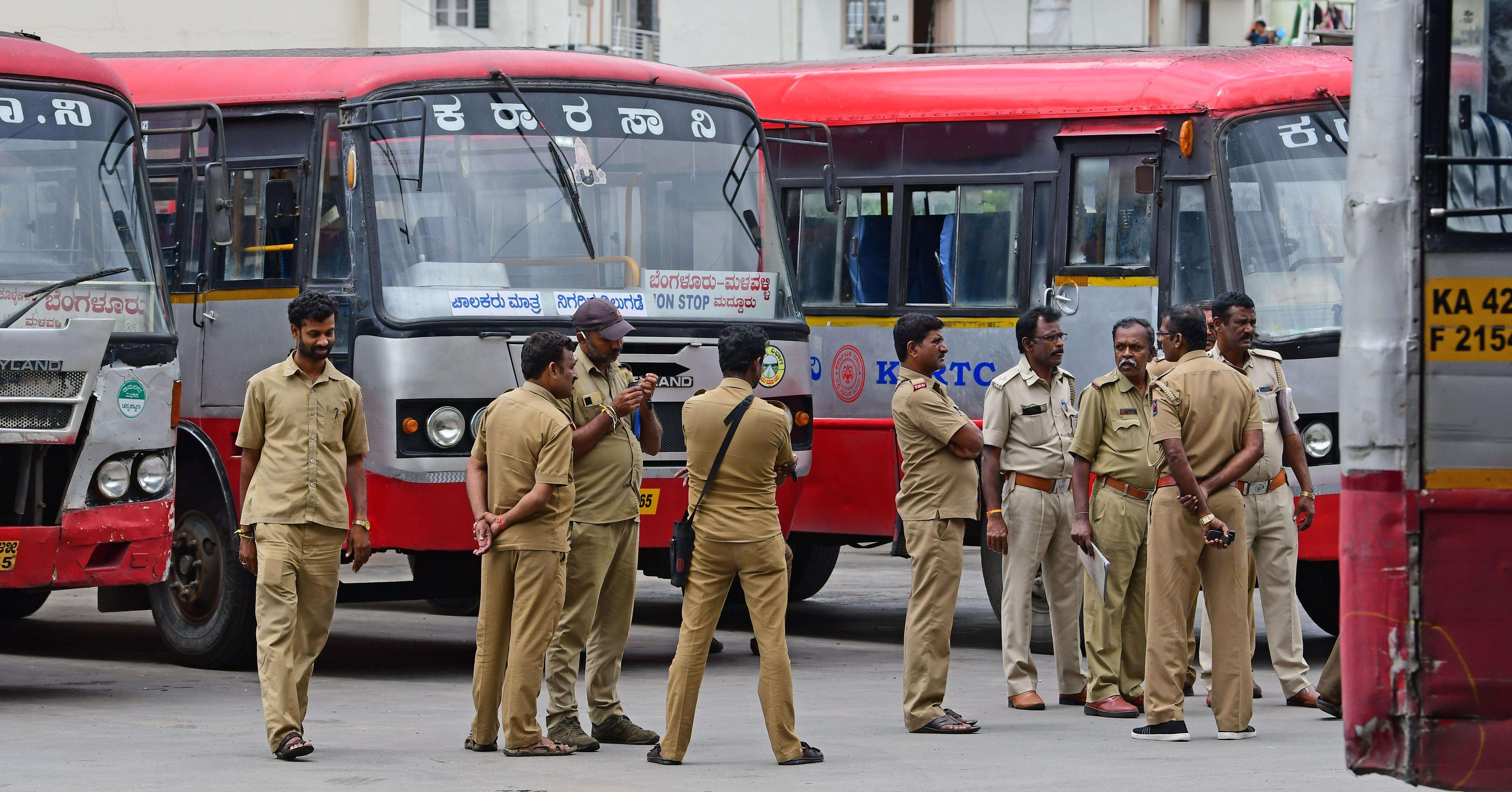
The announcement of a historic fare hike in Karnataka marks a concrete rupture in the economic contract between the state government and its citizens. With BMTC fares jumping by over a third, the immediate impact is felt in the wallets of millions of daily commuters who rely on public transport for their livelihoods. This is not a marginal adjustment but a structural shift in the cost of living in Bengaluru and other major cities, forcing households to reallocate their budgets and potentially reducing disposable income for other essential goods and services.
The underlying tension driving this decision is the chronic financial instability of the state's transport corporations. Years of underfunding, rising operational costs, and fuel price volatility have left the RTCs with unsustainable deficits. The government faces a difficult choice between maintaining affordable fares and ensuring the viability of the transport network. This institutional friction highlights the broader challenge of funding public infrastructure in a rapidly growing urban economy, where the demand for reliable transport outpaces the fiscal capacity of the state.
The downstream consequences of this hike will extend beyond individual households. Small businesses, particularly those in the informal sector, may face higher operating costs as their employees spend more on commuting. There is also a risk of increased traffic congestion as some commuters switch to private vehicles or two-wheelers, exacerbating environmental and urban planning challenges. The long-term sustainability of the transport sector now depends on whether the government can improve operational efficiency and service quality to justify the higher fares.
Comments 0