Kejriwal’s Hitler Comparison Stokes Political Turmoil Over Delhi Crackdown
Delhi Chief Minister Arvind Kejriwal likened Prime Minister Modi to a historical tyrant, intensifying a volatile standoff over protest suppression. The exchange has amplified partisan tensions and raised questions about the limits of political rhetoric in democratic discourse.
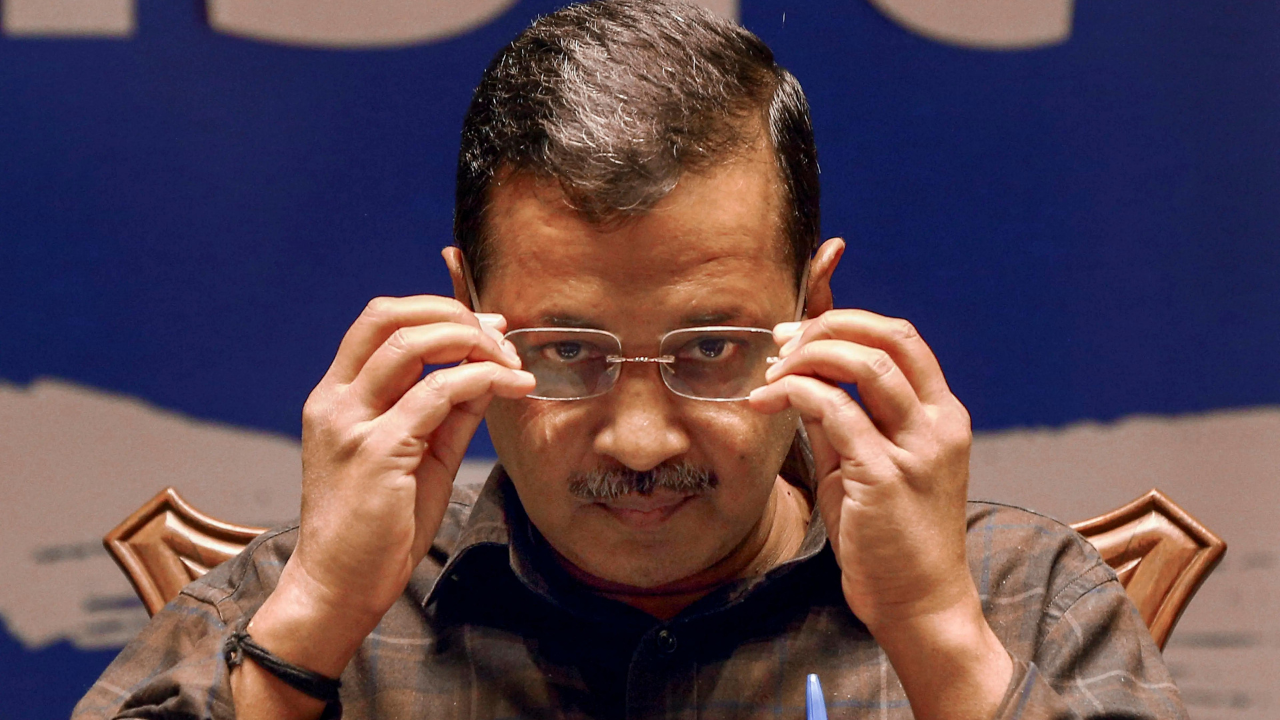
During a heated press briefing, Arvind Kejriwal, the chief executive of Delhi, invoked a notorious 20th‑century dictator to characterise the central government's response to recent protests. The remark, delivered amid allegations of unlawful detentions and internet blackouts, ignited a firestorm of condemnation from the ruling party, which demanded a retraction and threatened legal action. Opposition leaders rallied behind Kejriwal, framing the episode as evidence of an authoritarian drift in national governance.
The incident unfolded against a backdrop of escalating confrontations between Delhi's municipal authorities and the Union government over jurisdictional authority. Critics argue that Kejriwal's choice of language, while rhetorically potent, risks eroding the decorum expected of elected officials and may inflame public sentiment. Legal analysts note that defamation statutes and sedition provisions could be invoked, potentially leading to criminal proceedings that would further polarise the political arena.
Political commentators anticipate that the episode will reverberate through upcoming electoral cycles, influencing voter perceptions of both the ruling coalition and the opposition. The episode also underscores the broader challenge of maintaining civil discourse in an environment where political stakes are high and media scrutiny intense. As the nation watches, the fallout may shape the contours of permissible political expression and the strategic calculus of party leaders in the months ahead.
Comments 0