Kerala High Court Calls for Immediate Road‑Safety Blueprint from Authorities
The Kerala High Court issued a suo motu order demanding practical inputs from the state’s transport and police agencies to curb rising road fatalities. The court’s intervention is expected to accelerate policy reforms and enforcement mechanisms.
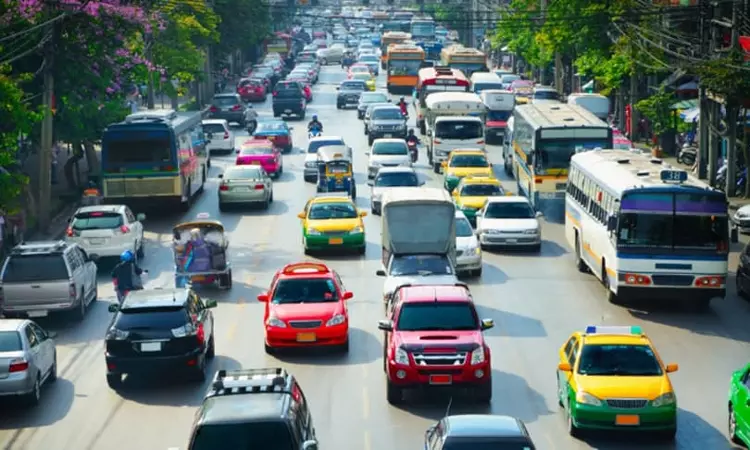
In a landmark judgment, the Kerala High Court directed the state transport department, police commissionerate, and municipal bodies to submit detailed proposals on improving road safety within a fortnight. The bench highlighted a disturbing trend of increasing traffic deaths, citing recent statistics that show a year‑on‑year rise in fatalities on both urban and rural highways. By invoking its suo motu jurisdiction, the court signalled that judicial oversight will play a proactive role in shaping public‑safety strategies, moving beyond mere adjudication of individual cases.
The order surfaces amid longstanding institutional friction between traffic enforcement agencies and civil society groups that have long advocated for stricter speed limits, better signage, and driver education. While the transport department has previously rolled out a series of safety campaigns, critics argue that implementation has been uneven, hampered by budget constraints and bureaucratic inertia. The police force, on the other hand, faces challenges in deploying modern monitoring technology across the state’s extensive road network. The court’s demand for concrete inputs forces these bodies to reconcile their divergent priorities and present a unified plan that addresses systemic gaps.
The downstream effects of the High Court’s directive are poised to reshape Kerala’s transport ecosystem. Anticipated measures include the installation of speed‑calibrated cameras, revision of licensing procedures, and the introduction of punitive fines for repeat offenders. Such reforms could stimulate a market for safety equipment manufacturers and create employment opportunities in traffic management services. Conversely, transport operators may encounter higher compliance costs, prompting a reassessment of route planning and vehicle maintenance schedules. Overall, the judicial push is likely to generate a measurable decline in road‑related injuries, while setting a precedent for other Indian states to seek court‑mandated safety frameworks.
Comments 0