Kerala High Court Limits Police Power Over Adult Missing Persons
The Kerala High Court ruled that police may approach an adult woman reported missing but lack authority to force her return home. The decision reshapes procedural expectations for missing‑person investigations across the state.
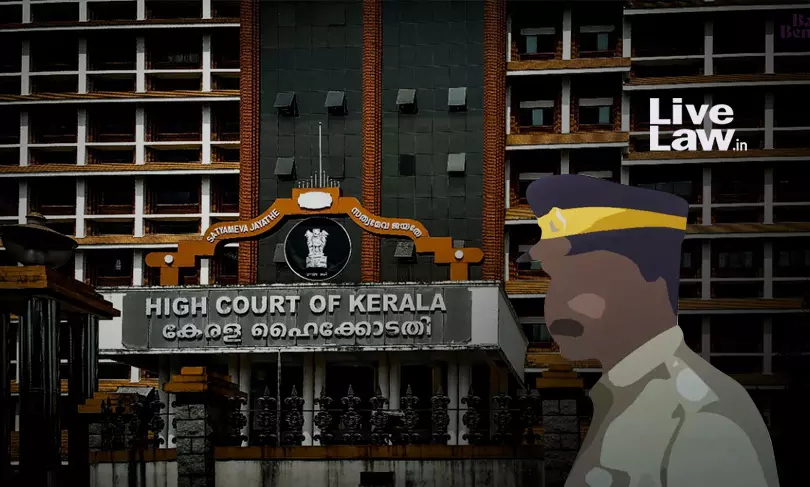
The immediate judicial pronouncement emerged from a petition filed by relatives of an adult woman who vanished from her residence. The bench articulated that while law enforcement may initiate contact to ascertain safety, any compulsion to re‑enter the household would infringe upon personal liberty protected by the constitution. This clarification arrived amid a spate of high‑profile disappearances that had drawn public scrutiny to police methods.
Underlying this ruling is a longstanding friction between the state's duty to protect vulnerable citizens and the legal safeguards that preserve adult autonomy. Advocates for missing‑person protocols have long argued for a balanced approach that respects consent while enabling timely assistance. The court's language reflects an attempt to delineate the boundary, signalling to police departments that investigative zeal must be tempered by constitutional limits.
In the months ahead, families of missing adults may experience a shift in how cases are managed, with greater reliance on voluntary cooperation rather than coercive tactics. Police units are expected to revise training manuals, and courts in other jurisdictions may cite this precedent to curb overreach. The broader societal impact could be a modest increase in trust between law‑enforcement agencies and communities, provided the new guidelines are applied consistently.
Comments 0