Khalistan's Shadow: The Bomb Threat to Diljit Dosanjh's Bengaluru Concert
A bomb threat email carrying the slogan 'Khalistan Zindabad' has been sent to Diljit Dosanjh's Bengaluru concert, highlighting the persistent threat of separatist violence to cultural events. The incident underscores the ongoing tension between cultural expression and political extremism in India.
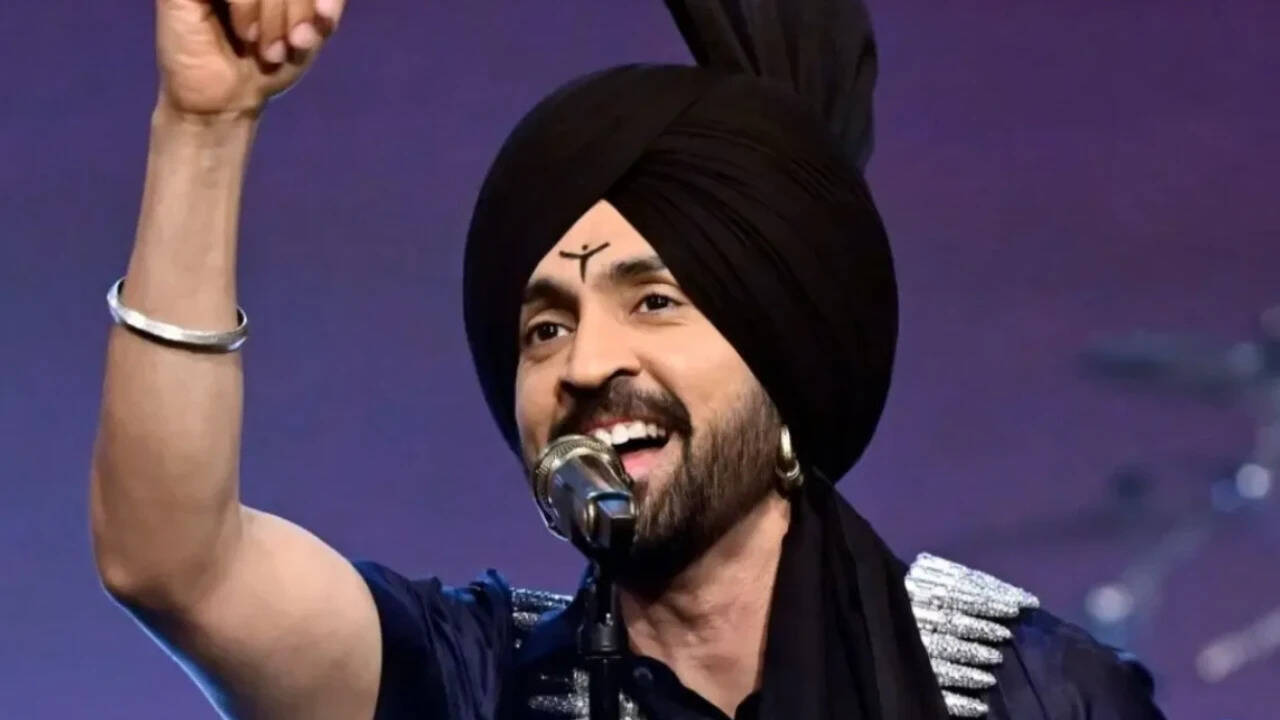
The concrete rupture is the receipt of a bomb threat email at Diljit Dosanjh's Bengaluru concert, which carried the slogan 'Khalistan Zindabad.' This is not an isolated incident; it is part of a broader pattern of threats to cultural events that are perceived as sympathetic to or associated with the Khalistan movement. The shockwave is felt in the entertainment industry, which is now grappling with the reality that cultural expression is not immune to political violence. The incident has raised concerns about the safety of artists and audiences, and the adequacy of security measures at large public events.
The underlying tension is the conflict between the right to cultural expression and the threat of political extremism. The institutional friction is evident in the lack of a clear strategy for dealing with such threats, which often fall into the gap between law enforcement and event organizers. This friction is compounded by the lack of public awareness about the risks of attending large events, which can be targeted by extremists. The tension is also reflected in the public's perception of the government's ability to protect its citizens, which is increasingly viewed as inadequate in the face of such threats.
The downstream casualties are the artists and the audience, who face a heightened risk of violence. The tangible outcome is a chilling effect on the cultural scene, as artists may be reluctant to perform in certain areas due to the lack of adequate protection. The 12-month structural consequence will be a push for the establishment of a dedicated security protocol for cultural events, which will require significant investment in security infrastructure and personnel. This will likely lead to a re-evaluation of the role of the state in protecting the rights of citizens to participate in cultural life, with a greater emphasis on proactive rather than reactive measures.
Comments 0