Kolkata Records Second Rainiest November in a Decade
Kolkata has experienced its second rainiest November in the last ten years, driven by a weak cyclonic system named Akvan. This unusual weather pattern has disrupted daily life and raised concerns about the changing climate in the region, with implications for agriculture and infrastructure.
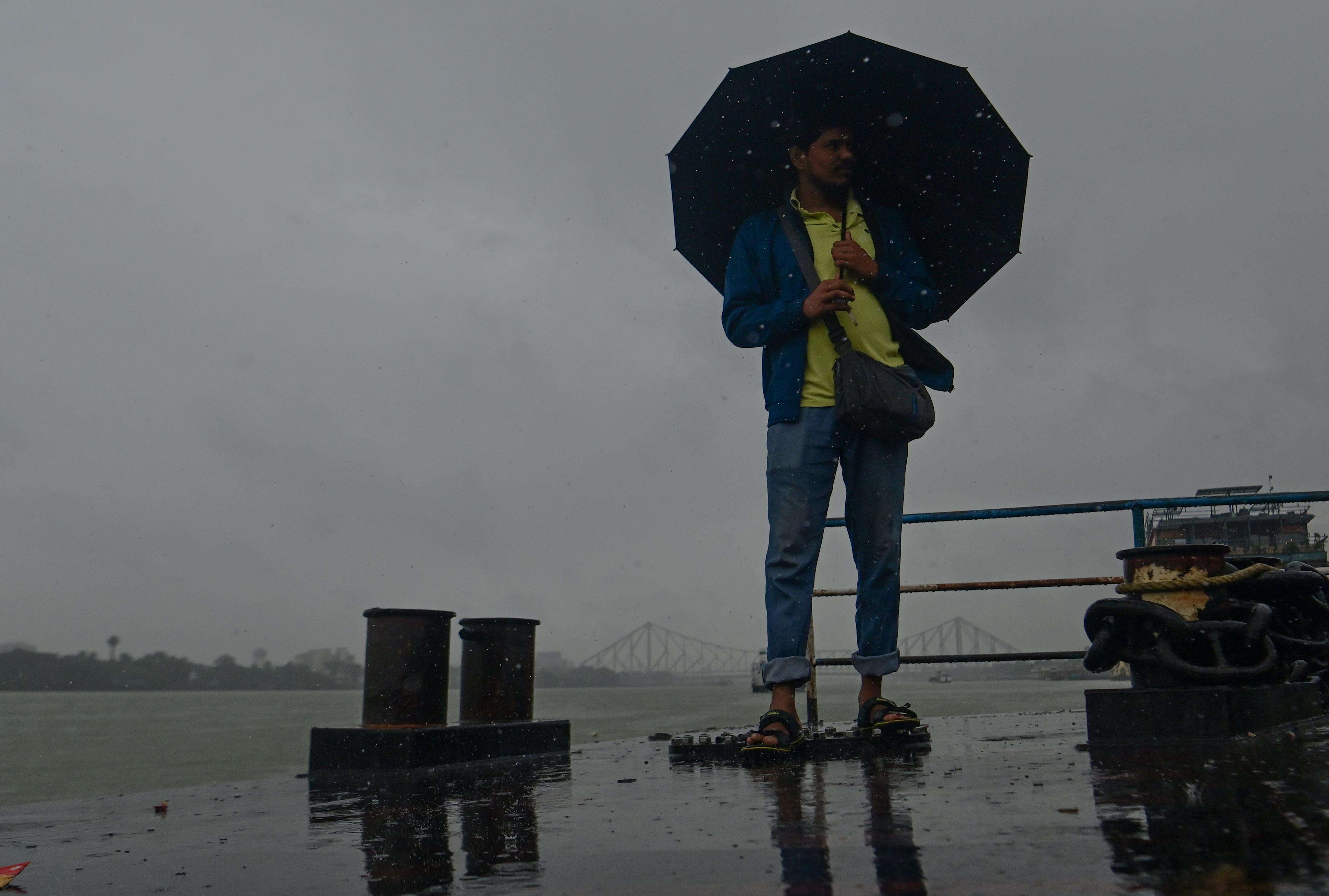
The concrete rupture in the expected seasonal weather patterns is the occurrence of heavy rainfall in Kolkata during November, a month that is typically dry. The weak cyclonic system Akvan has brought significant precipitation, leading to waterlogging and disruption in the city. The immediate shockwave is felt in the daily lives of residents, with travel difficulties and potential damage to property. This event is a stark reminder of the unpredictability of weather patterns and the need for better preparedness and infrastructure resilience.
The underlying tension is between the traditional climate models and the observed changes in weather patterns. The occurrence of heavy rainfall in November is a deviation from the norm, suggesting that the climate in the region is changing. This change is likely driven by global warming, which is altering the behavior of cyclones and monsoons. The institutional friction is between the meteorological agencies, which are struggling to predict these changes, and the local authorities, which are ill-equipped to handle the consequences. This friction is likely to persist as the frequency and intensity of extreme weather events increase.
The downstream casualties are the vulnerable populations in Kolkata, who are most affected by the waterlogging and disruption. The tangible outcome is a need for investment in drainage and flood management infrastructure, as well as a shift in agricultural practices to accommodate the changing climate. Over the next twelve months, the structural consequence will be a greater emphasis on climate adaptation and resilience, with local governments and international organizations working together to mitigate the impacts of extreme weather events.
Comments 0