Kolkata Unveils Innovative Civic Control Over Iconic Howrah Bridge Aesthetics
Municipal planners in West Bengal have introduced an unprecedented participatory framework allowing citizens to curate Howrah Bridge illumination and audio messaging ten days annually. The initiative redefines public monuments as dynamic civic canvases.
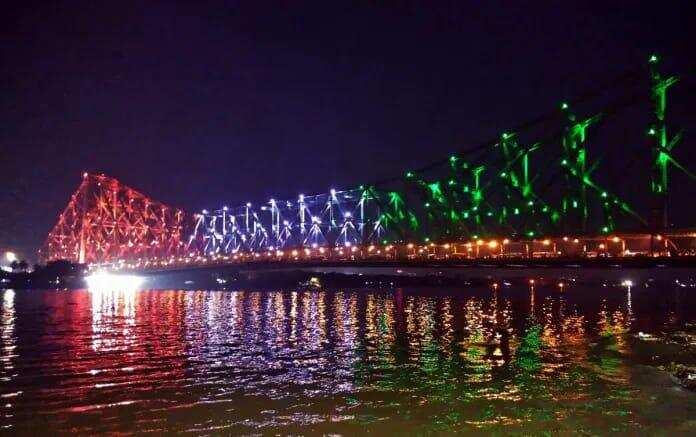
In a radical departure from traditional heritage preservation doctrines, municipal authorities in Kolkata have authorized a citizen-led curation model for the historic Howrah Bridge. For ten designated days each year, public voting platforms will dictate the architectural illumination colors, background musical scores, and ambient voice messages broadcast around the legendary steel span. This administrative shift transforms an immutable colonial-era engineering monument into a responsive, participatory medium reflecting contemporary cultural expressions. The policy decision exposes subtle tensions between traditional heritage purists who advocate for unchanging historical preservation and modern civic planners pushing for experiential public engagement. Conservationists worry that commercializing or altering the aesthetic presentation of a vital national landmark diminishes its historical gravity. Conversely, municipal authorities defend the initiative as an innovative mechanism to deep civic attachment and boost tourism during festive seasons. The tangible outcome is an unprecedented blending of historical infrastructure with digital democracy, creating public spaces that actively converse with their citizenry. Engineering teams have had to design sophisticated lighting and acoustic control systems capable of executing rapid aesthetic transitions without compromising the bridge's structural integrity. This governance experiment offers a novel template for urban management across global historical cities.
Comments 0