Kolkata Wedding Industry Squeezed by Catering Cost Inflation
A sharp upswing in food catering charges is disrupting wedding plans in Kolkata, forcing families to rethink their budgets and menu choices. The inflation in the catering sector reflects broader economic pressures and is impacting a key cultural and economic activity in West Bengal.
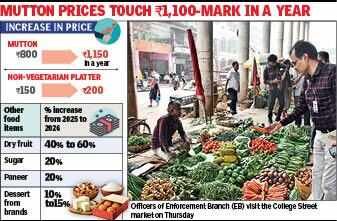
The wedding industry in Kolkata is facing a significant challenge as food catering charges rise sharply. This inflation is forcing families to rethink their budgets and menu choices, with some opting for smaller gatherings or simpler menus. The impact is not just financial; it is also cultural, as weddings are a key social and economic activity in West Bengal. The rise in catering costs is a symptom of broader economic pressures, including inflation in food prices and labor costs. The industry is now grappling with how to balance the need for profitability with the expectations of customers, who are increasingly price-sensitive. The situation has led to a shift in the market, with some caterers offering more affordable options while others are focusing on premium services for high-end clients.
The underlying tension is rooted in the structural changes in the food industry and the impact of inflation on consumer spending. The catering sector is labor-intensive, and the rise in labor costs is a significant factor in the increase in prices. This institutional friction is exacerbated by the lack of standardization in the industry, with prices varying widely depending on the caterer and the type of service. The incident has also highlighted the need for better regulation and transparency in the industry, to protect consumers from unfair pricing practices. The lack of a unified approach to pricing has left customers vulnerable to price gouging, particularly during peak seasons.
The tangible outcome of the catering cost inflation is a decline in the number of large-scale weddings and a shift towards more modest celebrations. The downstream impact is a reduction in revenue for the catering industry and a potential loss of jobs in the sector. For the next twelve months, the industry is likely to see a consolidation, with smaller caterers struggling to survive and larger players gaining market share. The resolution of this crisis will require a coordinated effort from the industry and the government to address the root causes of the inflation and to support the sector in adapting to the new economic reality.
Comments 0