Kolkata’s Dark Night: The Anatomy of a Durga Puja Stampede
Seven individuals have been placed in police custody following a fatal stampede at a Durga Puja pandal in Kolkata, where sudden rain and poor crowd management were identified as primary factors. The tragedy has reignited urgent demands for stricter safety protocols in India’s most crowded cultural festivals.
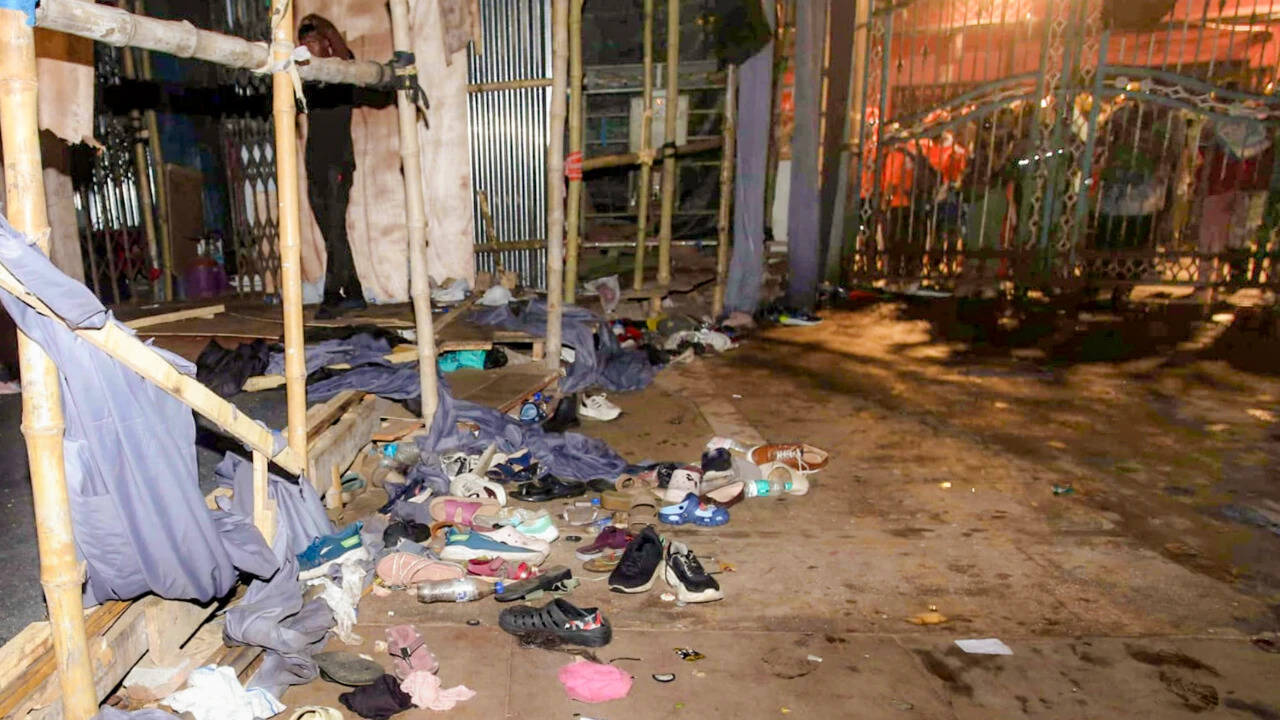
The concrete rupture is the loss of life in one of India’s most cherished cultural events, the Durga Puja celebrations in Kolkata. The stampede, triggered by a combination of sudden rainfall and inadequate crowd control measures, has resulted in a tragedy that has shocked the nation. The immediate response has been the arrest of seven individuals, a move that signals the authorities’ intent to hold those responsible for the poor management of the event accountable. This incident is not an isolated event but a symptom of deeper systemic failures in urban crowd management and emergency preparedness.
The underlying tension is the clash between the scale of India’s cultural festivals and the infrastructure’s ability to handle such massive gatherings. Durga Puja attracts millions of visitors, yet the safety protocols often remain rudimentary and reactive rather than proactive. The institutional friction is evident in the lack of standardized safety guidelines and the insufficient enforcement of existing rules. The tragedy highlights the gap between the romanticized image of the festival and the harsh reality of the logistical challenges involved in managing such large crowds. The rain, a natural phenomenon, exposed the fragility of the existing safety net, revealing a system that is ill-equipped to handle unexpected variables.
The downstream consequences of this tragedy are likely to be a significant overhaul of safety regulations for public events across India. The tangible outcome is a heightened awareness among the public and the authorities of the need for robust crowd management strategies. This incident will serve as a catalyst for change, forcing a reevaluation of the current approach to festival safety. The casualties are not just the lives lost but the trust in the authorities’ ability to protect citizens during public events. The long-term impact will be a more rigorous enforcement of safety standards, potentially leading to a reduction in similar incidents in the future, but only if the institutional changes are sustained and not merely a reactive measure.
Comments 0