Kolkata's Durga Puja Stampede Exposes Critical Gaps in Crowd Management
A panic-induced stampede at a Durga Puja pandal in Kolkata has triggered an immediate safety overhaul, revealing the absence of emergency evacuation protocols. The incident underscores the severe institutional friction between massive cultural gatherings and inadequate infrastructure planning.
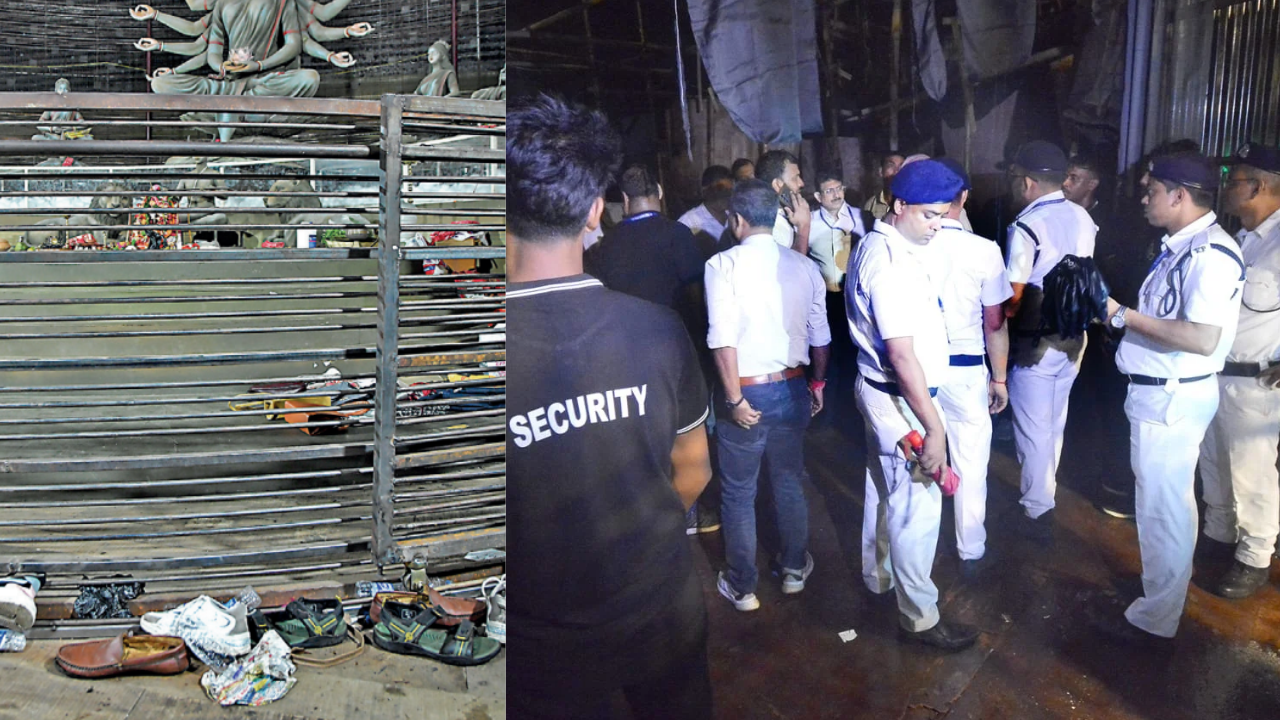
The rupture occurred when a panic announcement, issued without a corresponding emergency evacuation plan, sent thousands of devotees into a chaotic scramble. The resulting stampede at the Durga Puja pandal in Kolkata was not merely a crowd control failure but a systemic breakdown in public safety architecture. The immediate shockwave was felt in the form of injuries and a subsequent halt to festivities, as authorities scrambled to impose order on a scene that had devolved into a life-threatening bottleneck.
The underlying tension lies in the disconnect between the scale of India's largest cultural festival and the regulatory frameworks designed to manage it. While the spiritual and social significance of Durga Puja is immense, the physical infrastructure often lags behind the sheer volume of participants. Institutional friction is evident in the lack of standardized emergency protocols, where local organizers and municipal authorities operate with insufficient coordination, leaving critical gaps in crowd management that only become apparent when disaster strikes.
The tangible outcome is a forced reevaluation of safety standards across the city. Authorities have initiated a comprehensive safety overhaul, mandating stricter crowd limits and the implementation of clear evacuation routes. This incident serves as a stark reminder that without robust institutional preparedness, the joy of communal celebration can quickly turn into a tragedy, with the primary casualties being the trust of the public in the state's ability to protect its citizens during peak cultural events.
Comments 0