Ladakh conducts panchayat and municipal elections amid sub‑zero temperatures
The high‑altitude union territory held its first major local elections despite severe cold and ongoing political protests. The vote marks a test of democratic processes in a region marked by strategic sensitivity.
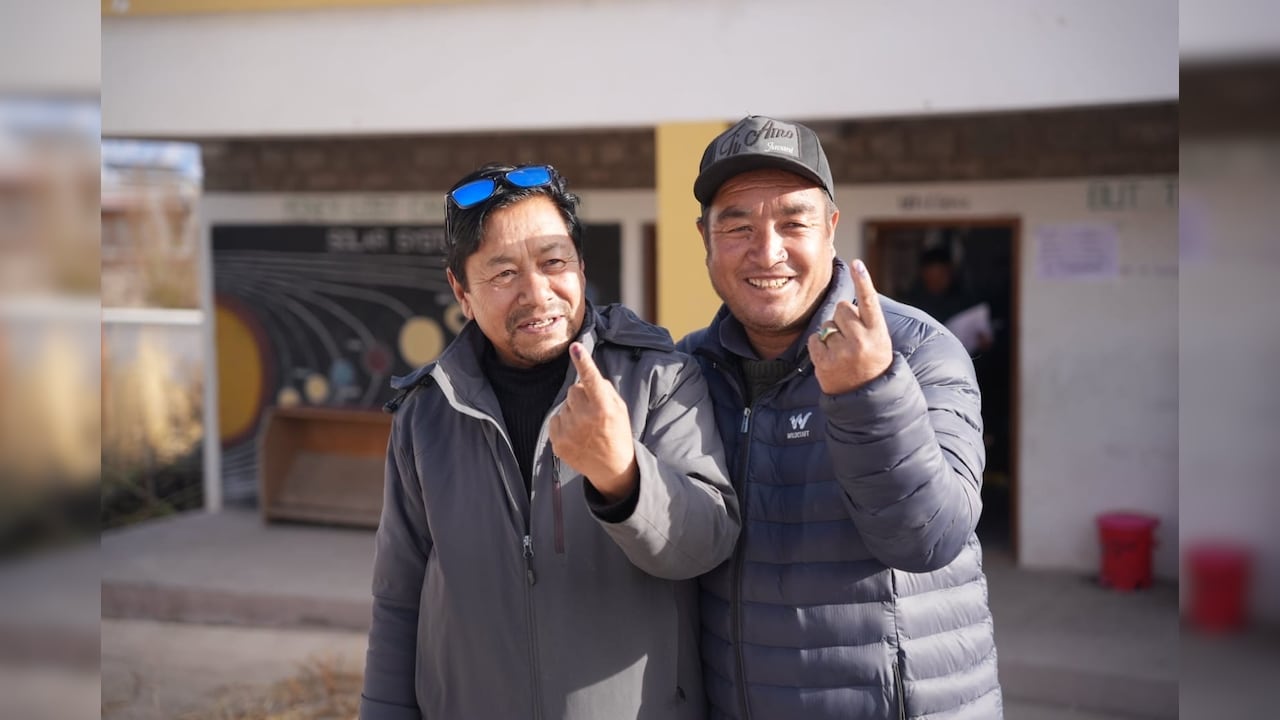
In the midst of a bitter winter that saw temperatures plunge well below freezing, Ladakh proceeded with its scheduled panchayat and municipal elections, drawing participation from remote villages and urban centres alike. Election officials deployed additional logistical support, including heated transport and temporary shelters, to ensure that voters could reach polling stations safely. The turnout, while modest compared to temperate regions, demonstrated a commitment to civic engagement despite the harsh environment.
The electoral exercise unfolded against a backdrop of political unrest, with local groups such as the Leh Apex Body and the Kargil Democratic Alliance staging protests over perceived neglect and demands for greater autonomy. These factions voiced concerns that the central government's policies have marginalized the unique cultural and economic needs of the high‑altitude communities. The elections, therefore, served not only as a mechanism for selecting local representatives but also as a barometer of public sentiment toward the broader governance framework.
The outcomes of the polls are expected to influence the allocation of development funds for infrastructure, education, and tourism, sectors vital to Ladakh's economy. Newly elected council members will be tasked with navigating the delicate balance between preserving traditional ways of life and integrating modern amenities. Moreover, the successful conduct of the elections may bolster the central government's narrative of inclusive governance, while also providing a platform for local leaders to articulate region‑specific priorities in national dialogues.
Comments 0