Lancet warns that heat stress and sleep loss threaten India's health and productivity
A new Lancet analysis links rising temperatures to increased heat‑related illness and reduced sleep, highlighting a looming public‑health crisis in India. The report urges policymakers to integrate climate considerations into health planning.
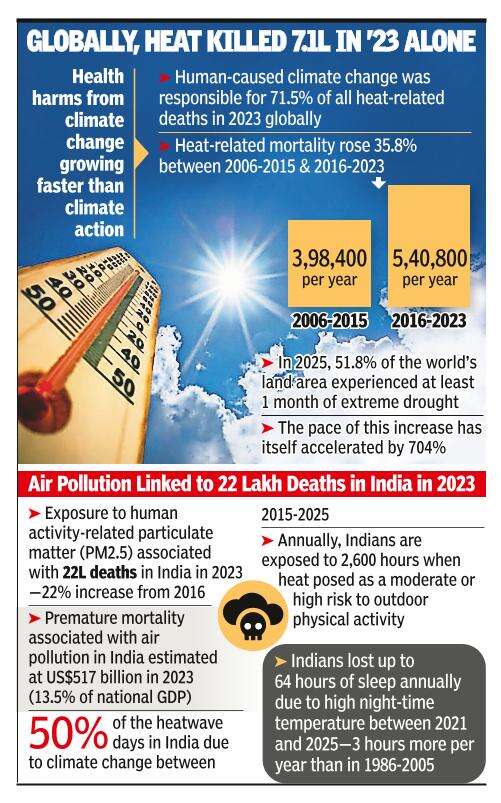
The Lancet study, authored by an international consortium of epidemiologists, examined climate data alongside health outcomes across India's diverse regions. It found that prolonged exposure to high temperatures correlates with a rise in heat‑induced ailments such as dehydration, cardiovascular strain, and occupational injuries, particularly among outdoor workers in agriculture and construction. Moreover, the analysis identified a disturbing trend of sleep disruption, which amplifies mental‑health challenges and diminishes cognitive performance, thereby affecting educational attainment and workplace efficiency.
Public‑health officials in Maharashtra, where the study was highlighted, have begun to assess the capacity of hospitals to manage heat‑related emergencies during peak summer months. The findings have sparked debate within the Ministry of Health about allocating resources for cooling centres, expanding early‑warning systems, and revising occupational safety standards. Simultaneously, the agricultural sector faces pressure to adopt heat‑resilient crop varieties and adjust planting schedules, reflecting an emerging tension between economic imperatives and climate adaptation.
The downstream consequences extend to the broader economy, as reduced labor productivity and increased medical expenditures could erode growth prospects. Insurance providers are also reevaluating premium structures for health and life policies, factoring in the heightened risk of heat‑related claims. The Lancet's warning serves as a catalyst for a coordinated response that blends climate mitigation with health infrastructure upgrades, aiming to safeguard the well‑being of millions of Indians.
Comments 0