Launch Bottleneck Drives $100 Billion Surge in Space‑Infrastructure Investment
A shortage of available launch windows at SpaceX has sparked an unprecedented wave of capital flowing into satellite‑manufacturing, launch‑service providers and ground‑segment technologies. Investors are committing roughly a hundred billion dollars to fill the gap left by limited launch capacity. The influx is reshaping the competitive dynamics of the commercial space sector.
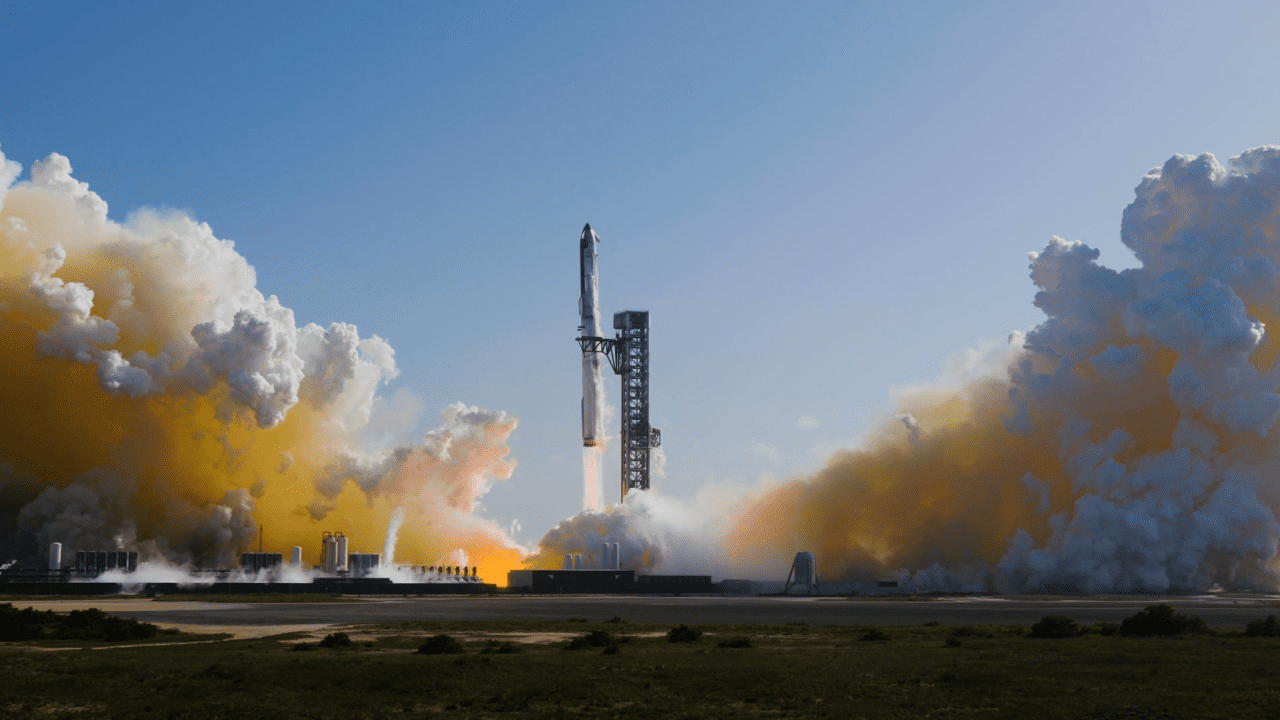
Over the past several months, SpaceX’s Falcon 9 and Falcon Heavy rockets have operated near full capacity, leaving a narrow corridor for third‑party payloads to secure launch slots. This scarcity has prompted venture capital firms, sovereign wealth funds and private equity houses to pour money into a broad array of space‑related enterprises, ranging from reusable launch‑vehicle startups to companies that design modular satellite constellations. The capital influx, estimated at close to one hundred billion dollars, reflects a belief that the bottleneck is temporary and that new entrants can capture market share once additional launch capacity becomes available.
The investment surge is also prompting established aerospace giants to accelerate development of alternative launch solutions, including reusable medium‑lift rockets and air‑launch platforms. Industry analysts note that the heightened financing environment is likely to reduce the cost per kilogram of payload to orbit over the next twelve months, as economies of scale take hold and competition intensifies. Moreover, the funding is being directed toward ancillary services such as on‑orbit servicing, space‑based data analytics and ground‑station networks, all of which are essential for the operational viability of large satellite constellations.
For governments and regulators, the rapid expansion of commercial launch activity raises questions about spectrum allocation, orbital debris mitigation and the need for updated safety protocols. As the sector absorbs the new capital, the balance of power may shift away from a few dominant launch providers toward a more diversified ecosystem, potentially lowering barriers to entry for smaller nations and private firms seeking to launch payloads. The long‑term effect could be a more resilient and innovative space industry, capable of supporting a wider range of scientific, commercial and strategic missions.
Comments 0