Lavrov’s Tehran Visit Raises Questions on Russia’s Covert Support in Iran Conflict
Russian Foreign Minister Sergei Lavrov’s recent trip to Tehran has intensified scrutiny over Moscow’s alleged clandestine assistance to Iran in its ongoing confrontation with the United States. Diplomatic circles are now probing the depth of the partnership and its strategic implications.
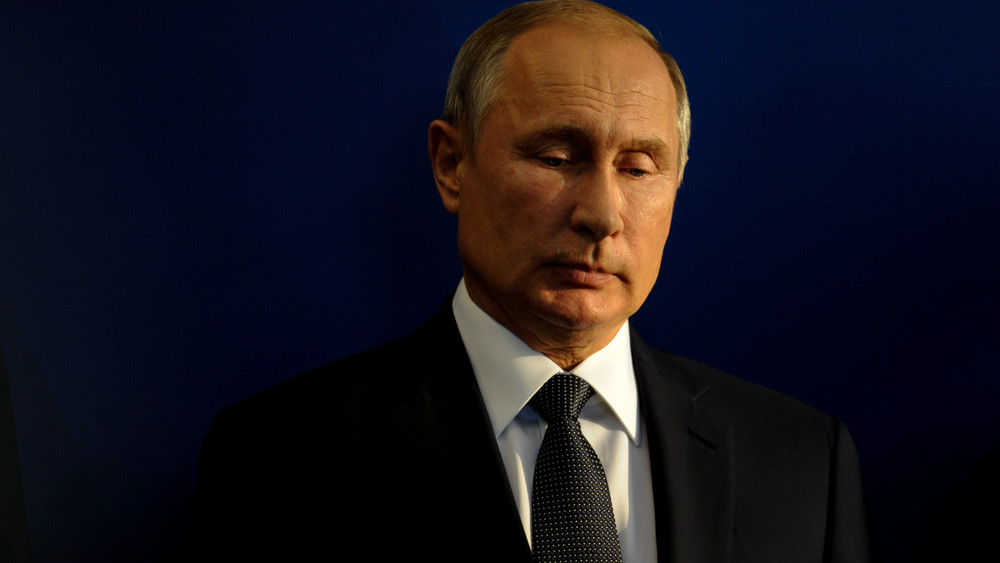
Lavrov’s meetings with Iranian President Masud Pezeshkian and Foreign Minister Abbas Araqchi were framed as routine diplomatic engagements, yet the timing coincides with heightened military activity in the region. Analysts interpret the visit as a concrete indication that Russia may be providing logistical, intelligence, or material support to Tehran, thereby extending its influence in a theater traditionally dominated by U.S. interests. The episode has sparked a diplomatic ripple, prompting allied nations to reassess their own regional postures.
Underlying this development is a complex matrix of geopolitical calculations. Russia seeks to cement its role as a counterbalance to Western power, leveraging Iran’s strategic position to gain footholds in the Middle East. Simultaneously, Iran benefits from a potential lifeline that could offset sanctions and bolster its defensive capabilities. Institutional friction emerges as Western intelligence agencies grapple with limited visibility into covert supply chains, while Russian officials maintain a narrative of non‑intervention, creating a diplomatic paradox that fuels mistrust.
The downstream consequences could reshape regional security dynamics. If evidence of substantive Russian aid emerges, the United States may consider expanding its own military presence or imposing additional sanctions, escalating the risk of broader confrontation. Regional actors, such as Saudi Arabia and Israel, might accelerate their own defense collaborations, potentially igniting an arms race. The episode underscores how hidden alliances can reverberate through diplomatic channels, influencing policy decisions far beyond the immediate theater.
Comments 0