Legal Scrutiny Intensifies as Questions Surrounding Sentence Suspension in Bilkis Bano Case Return to Courts
Renewed legal challenges before higher courts have reopened rigorous scrutiny over the executive decision to suspend sentences for convicts in the Bilkis Bano case. The institutional friction highlights a growing struggle between state executive remission powers and the constitutional mandate to enforce meaningful judicial accountability.
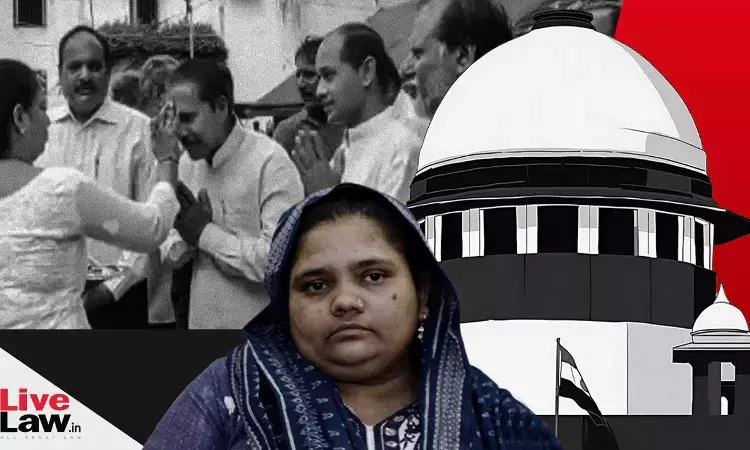
The ongoing judicial controversy surrounding the suspension of sentences for convicts in the Bilkis Bano case has once again reached a critical juncture in India higher judiciary. Fresh legal scrutiny has emerged regarding the procedure and justification employed when granting sentence suspensions to individuals convicted of severe crimes during the 2002 Gujarat riots. Legal commentators and petitioners have raised urgent queries before judicial forums, arguing that executive decisions regarding sentence remissions and suspensions must adhere strictly to statutory guidelines, judicial precedents, and the underlying rights of victims seeking long term justice.
At the center of this legal contestation lies a profound institutional friction between executive discretionary powers and judicial oversight. Subordinate state machinery and executive boards possess authority to evaluate prisoner sentence remissions; however, constitutional courts have repeatedly emphasized that such decisions cannot be arbitrary or indifferent to the severity of heinous offenses. The friction deepens as federal guidelines, state policy frameworks, and supreme court directives clash over jurisdiction and procedural correctness. Legal scholars contend that unchecked executive leniency risks undermining public trust in the criminal justice system, particularly in cases involving mass violence and systemic human rights violations.
The downstream ramifications extend far beyond the immediate litigants, directly affecting broader administrative norms governing remission policies across Indian states. Legal observers anticipate that the continued judicial questioning will force state governments to establish far more transparent, standardized, and auditable procedures when considering premature release or sentence suspension for high profile convicts. For victims of violent crime, the institutional back-and-forth reflects a long and grueling struggle for enforcement of judicial decrees, while lower courts and prison administration authorities face heightened accountability and prospective revisions in their discretionary statutory protocols.
Comments 0