Legislative Pressure Mounts on United States Congress to Establish Statutory AI Governance
Lawmakers in Washington are facing mounting bipartisan pressure to enact federal regulatory frameworks governing artificial intelligence development and deployment. This legislative push highlights growing anxiety over algorithmic safety, national security, and economic disruption.
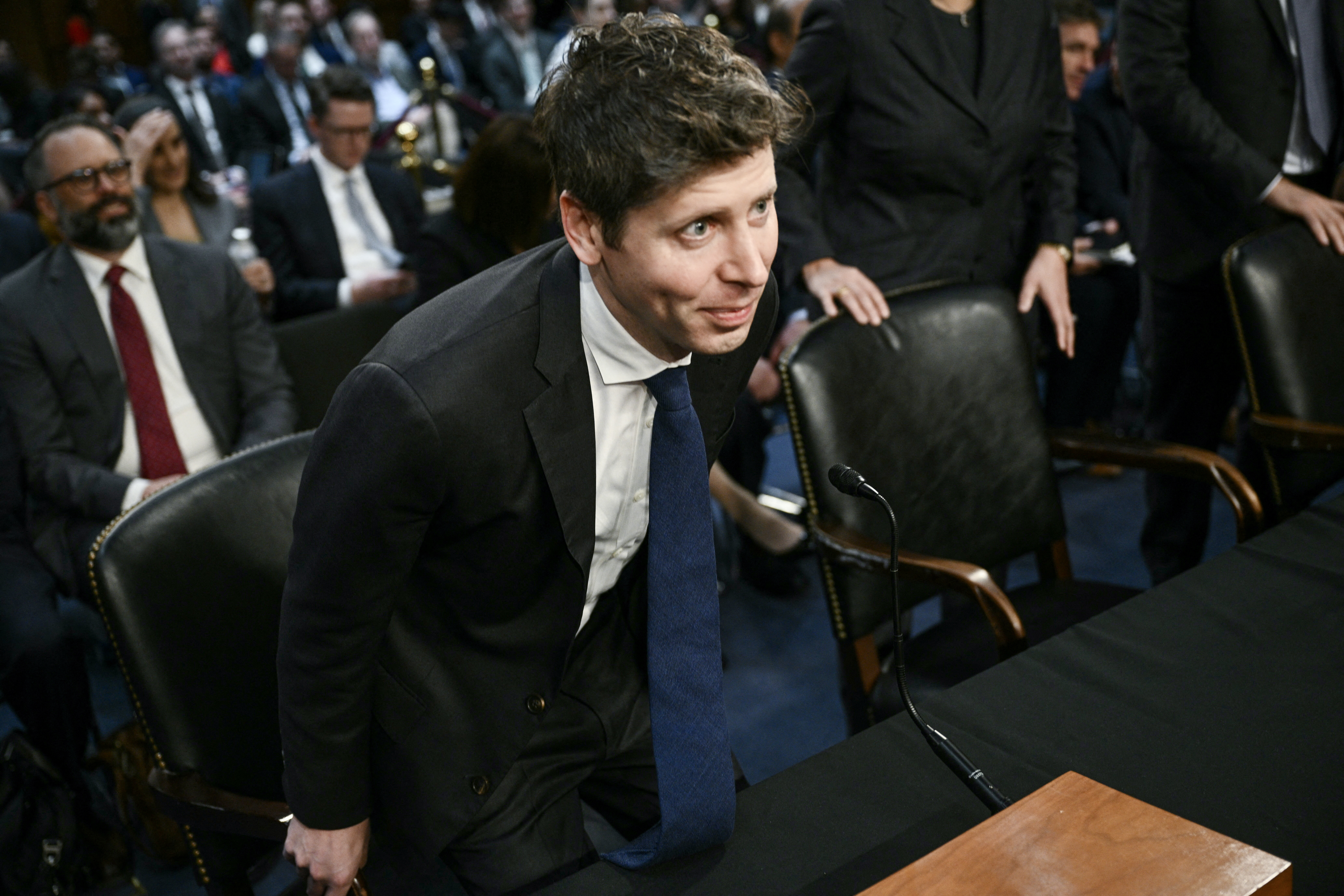
Members of the United States Congress are confronting intense lobbying from civil society groups, labor unions, and corporate executives to establish enforceable guardrails for advanced machine learning systems. Congressional committees have held successive hearings examining the risks of unmitigated model training, synthetic media generation, and automated workforce displacement. Despite broad acknowledgment of systemic risks, partisan disagreements over preemption clauses and innovation incentives continue to stall comprehensive legislative drafts. The underlying institutional friction stems from the tension between rapid technological acceleration in Silicon Valley and the deliberative, often glacial pace of federal lawmaking. Silicon Valley lobbyists advocate for light-touch federal oversight to prevent a patchwork of state-level restrictions, while consumer advocates demand strict accountability mechanisms. This divergence paralyzes regulatory consensus while foreign competitors race ahead in sovereign capability. The downstream outcome remains a protracted legislative process characterized by incremental sector-specific bills rather than a sweeping federal code. Technology firms will continue operating in a regulatory vacuum, prompting individual states to enact aggressive local compliance mandates. This fractured legal environment will increase compliance overhead for domestic software developers throughout the coming year.
Comments 0