Legislative Uniformity in the Northeast: Tripura Adopts Civil Code with Tribal Safeguards
Tripura moves forward with the implementation of a uniform civil code while explicitly carving out exemptions for indigenous tribal regions. This legal framework attempts to balance modernization goals with constitutional protections for native communities.
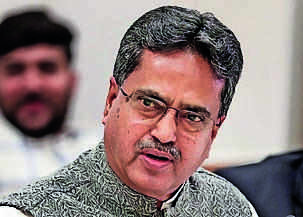
The administrative machinery in Tripura has initiated concrete steps toward codifying a uniform legal framework for family and property matters across non-tribal jurisdictions. By deliberately excluding autonomous district councils and scheduled areas from the mandate, the state government seeks to circumvent the intense cultural friction that typically accompanies sweeping legal overhauls. This targeted approach reflects an awareness of local sensitivities regarding customary laws and indigenous land rights, which have historically formed the bedrock of regional politics in India's northeast. Legal scholars and regional stakeholders remain divided on the long-term implications of dual-track jurisprudence within a single state boundary. Proponents of the legislation argue that streamlining civil laws eliminates archaic anomalies, whereas critics caution that maintaining distinct legal zones could complicate property transactions and administrative oversight. The state legislature has had to navigate competing pressures from central integration mandates and regional autonomy movements, resulting in a compromised text that prioritizes immediate political stability over complete legal uniformity. As the administrative apparatus prepares for rollout, judicial authorities anticipate a rise in boundary disputes concerning property inheritance and marital jurisdiction near the borders of exempt tribal zones. The ultimate success of this policy will be measured by its ability to prevent inter-community discord while establishing predictable legal standards for the urban majority. Neighboring states watching this experiment will likely adopt similar segmented models to avoid alienating powerful tribal constituencies.
Comments 0