Leopard Birth Control Trial Begins in Junnar, Aiming to Ease Human‑Wildlife Tension
Junnar has launched India's inaugural field trial of immunocontraceptive vaccines for leopards, seeking to lower human‑wildlife conflict in the region. The project marks a scientific effort to balance conservation with rural livelihoods.
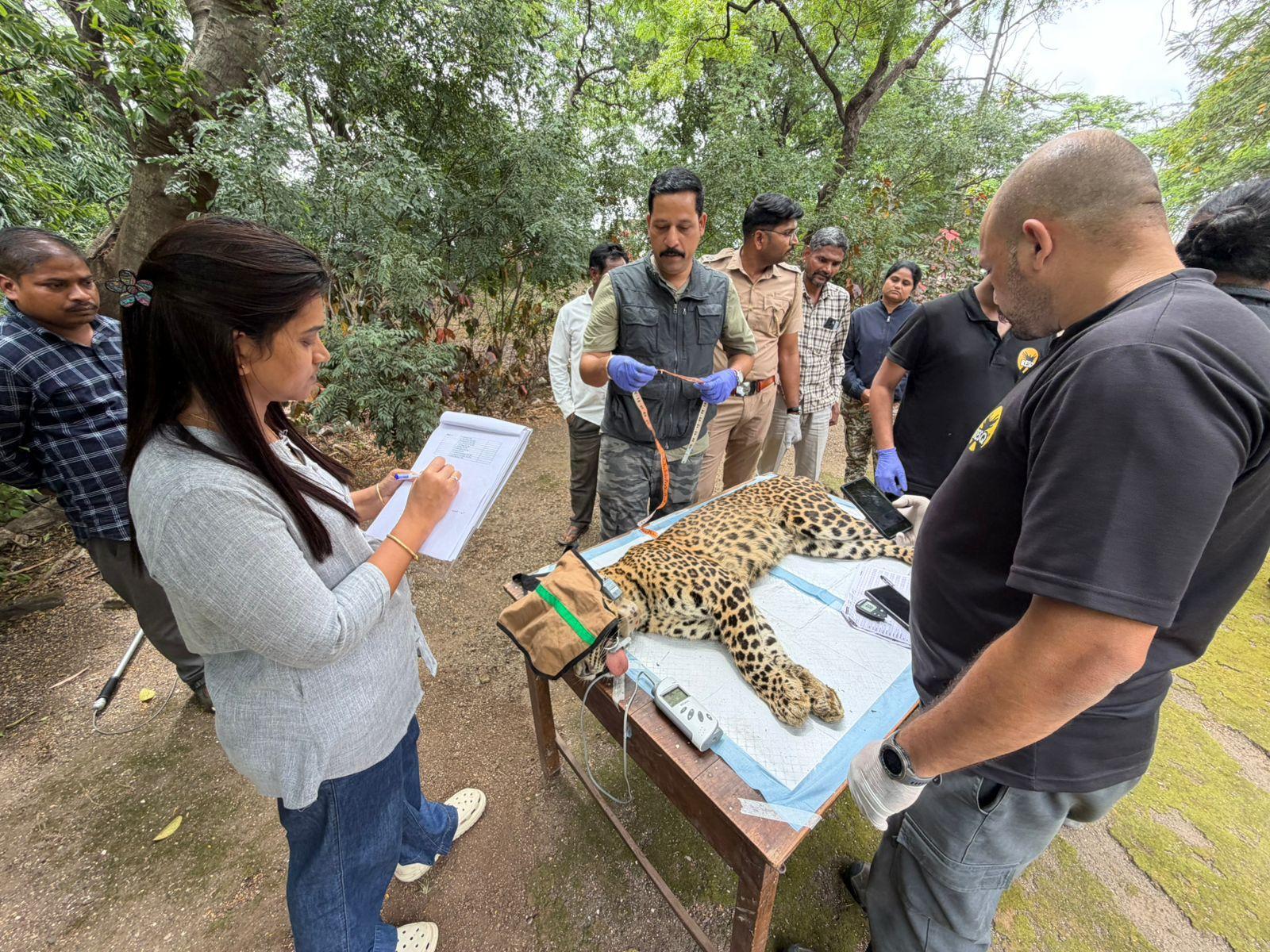
The pilot program, conducted by wildlife officials in collaboration with veterinary researchers, involves the administration of a reversible immunocontraceptive to a select group of leopards that frequently wander into agricultural lands. By curbing the reproductive rate of these apex predators, authorities hope to reduce the number of cubs that later venture into human settlements, thereby diminishing incidents of livestock predation and occasional attacks on people. The trial is being closely monitored for efficacy, side effects, and community acceptance.
Local farmers, who have long complained of crop damage and loss of livestock, have expressed cautious optimism. The region's economy relies heavily on agriculture, and repeated leopard encounters have forced many to invest in costly deterrents or abandon marginal fields altogether. By addressing the root cause of the conflict, population pressure, this scientific intervention could restore a fragile equilibrium between wildlife corridors and human activity. The project also aligns with national biodiversity goals that emphasize coexistence rather than eradication.
If successful, the immunocontraceptive approach could be replicated in other hotspots across India where large carnivores intersect with human habitats. Conservationists argue that such non‑lethal methods are essential for preserving genetic diversity while protecting rural communities. The trial's outcomes will likely inform policy decisions on wildlife management, potentially reshaping funding priorities for similar initiatives nationwide.
Comments 0