Lethal Mosque Bombing Shakes Pakistan as Security Apparatus Faces Renewed Strain
An explosive-laden vehicle rams into a crowded mosque in the Pakistani town of Kohat, resulting in sixteen fatalities and widespread structural destruction. The catastrophic attack highlights the resurgent operational capacity of militant factions targeting civilian religious sanctuaries.
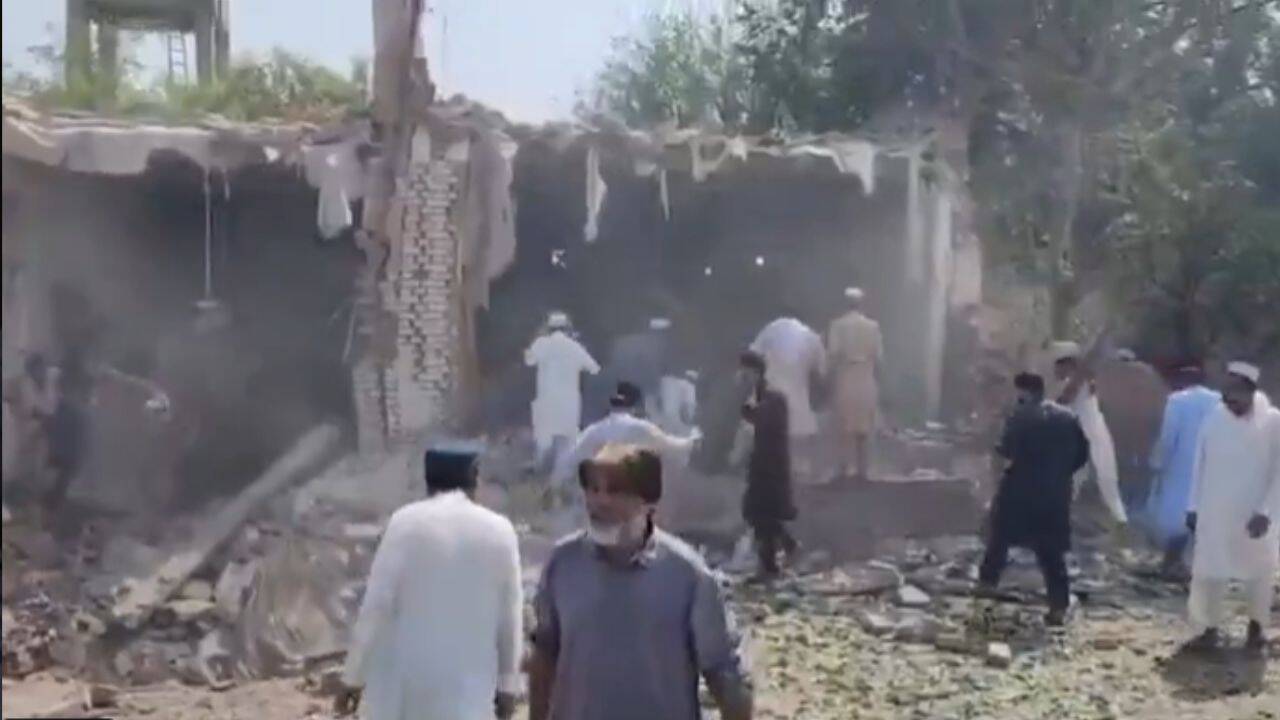
The devastating blast inside a place of worship sends shockwaves through the northwestern frontier, shattering fragile regional security assumptions. Emergency responders struggled to extract victims from the rubble as structural collapses compounded the casualty count. This brazen assault on a sacred gathering space demonstrates a calculated strategy by extremist networks to inflict maximum psychological terror and deepen sectarian fault lines. Security analysts point to severe intelligence failures and porous provincial borders as the primary enablers of this high-consequence breach. The incident exposes the growing friction between central counter-terrorism directives and local policing capabilities in border districts. As militant groups adapt their tactics to bypass fortified checkpoints, the state faces mounting domestic pressure to overhaul its internal defense posture. The immediate political fallout involves heightened threat levels across major urban centers and emergency security reviews ordered by federal authorities. Communities near the blast site are left grappling with profound grief and deep insecurity regarding state protection mechanisms. For the broader region, the attack serves as a grim reminder of the persistent instability plaguing the borderlands.
Comments 0