Local Fishermen Orchestrate Daring Rescue of Stranded Elephant Calf in Himalayan Foothills
Traditional fishing communities along a swollen northern river successfully intervened to save a drowning juvenile pachyderm from turbulent currents. The heroic rescue highlights the vital ecological role played by riverine populations in human-wildlife coexistence.
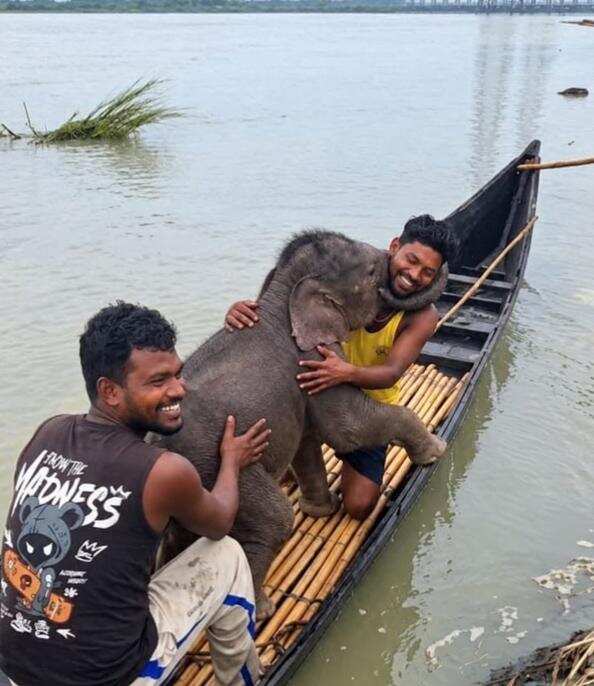
Operating against hazardous river currents, local fishermen in the Himalayan foothills transformed into wildlife conservationists when they spotted a struggling elephant calf swept downstream by monsoon floods. Utilizing their intimate knowledge of local eddies and watercraft maneuverability, the team intercepted the distressed animal and guided it safely to the riverbank. Forest department officials later praised the intervention, noting that professional rescue units would have arrived too late to prevent tragedy. Human-wildlife friction along northern riverine corridors has intensified as seasonal flooding forces wild herds into close proximity with densely populated settlements. While state forestry departments are officially tasked with wildlife rescue operations, bureaucratic delays frequently render them ineffective during fast-moving natural emergencies. This operational vacuum forces local residents to shoulder the immediate risks of environmental stewardship without formal training or equipment. The successful rescue averted a localized ecological tragedy while reinforcing the bond between traditional river communities and native fauna. However, the incident underscores the urgent need for state authorities to establish community-led rapid response units equipped with proper flotation and wildlife handling gear. Without institutional support, riverine populations will continue to risk their lives unaided during recurring seasonal crises.
Comments 0