Locomotive Shortages Cripple Indian Passenger Rail Schedules
Indian Railways has routinely deployed slower freight locomotives for passenger transit due to severe engine shortages. This operational shortfall triggers multi-hour delays across major trunk routes and strains commuter networks nationwide.
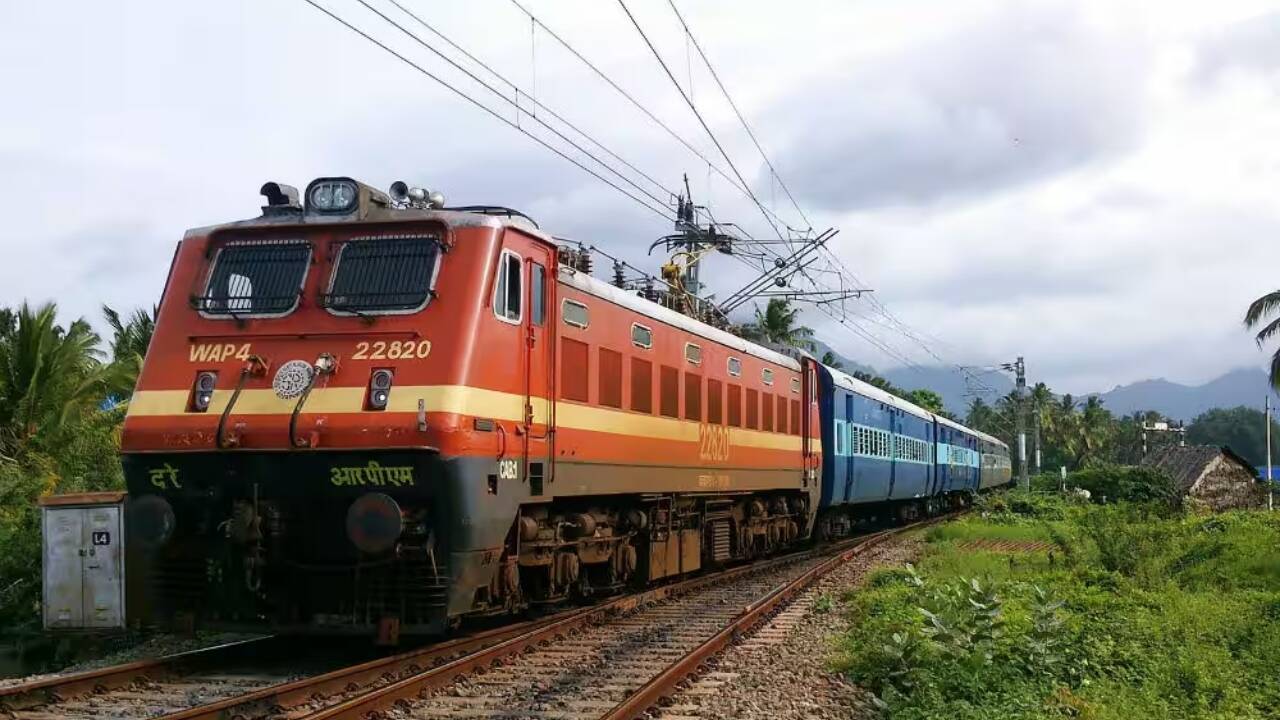
A persistent deficit of specialized passenger locomotives has forced railway authorities into compromising operational integrity by reallocating heavy freight engines to passenger lines. Internal records indicate dozens of monthly occurrences where high-speed schedules are maintained using equipment fundamentally engineered for bulk freight transit. Commuters accustomed to punctual arrivals now routinely face compounding delays as these underpowered configurations struggle to maintain required timetable velocities. This rolling stock crisis exposes structural bottlenecks within railway manufacturing, maintenance scheduling, and procurement pipelines. Maintenance yards report chronic shortages of spare parts and skilled technicians, creating a severe backlog that keeps prime passenger engines immobilized in repair depots. Bureaucratic inertia within administrative zones further exacerbates the crisis, as regional managers compete fiercely for an inadequate pool of functional motive power. The downstream consequences affect millions of daily travelers who depend on predictable transit schedules for commerce and employment. Beyond lost productivity, the strain on freight engines accelerates mechanical wear and tear, threatening long-term equipment degradation. Fixing this deficit will require significant capital injection into domestic locomotive production facilities and a comprehensive overhaul of national maintenance logistics.
Comments 0