Lok Sabha seat freeze is no longer linked to population stabilisation
The allocation of Lok Sabha seats has been based on the 1971 Census for five decades, originally tied to a policy of rewarding states that kept population growth low. The government has now removed the explicit link between seat distribution and population stabilisation, opening the way for a fresh review of constituency boundaries.
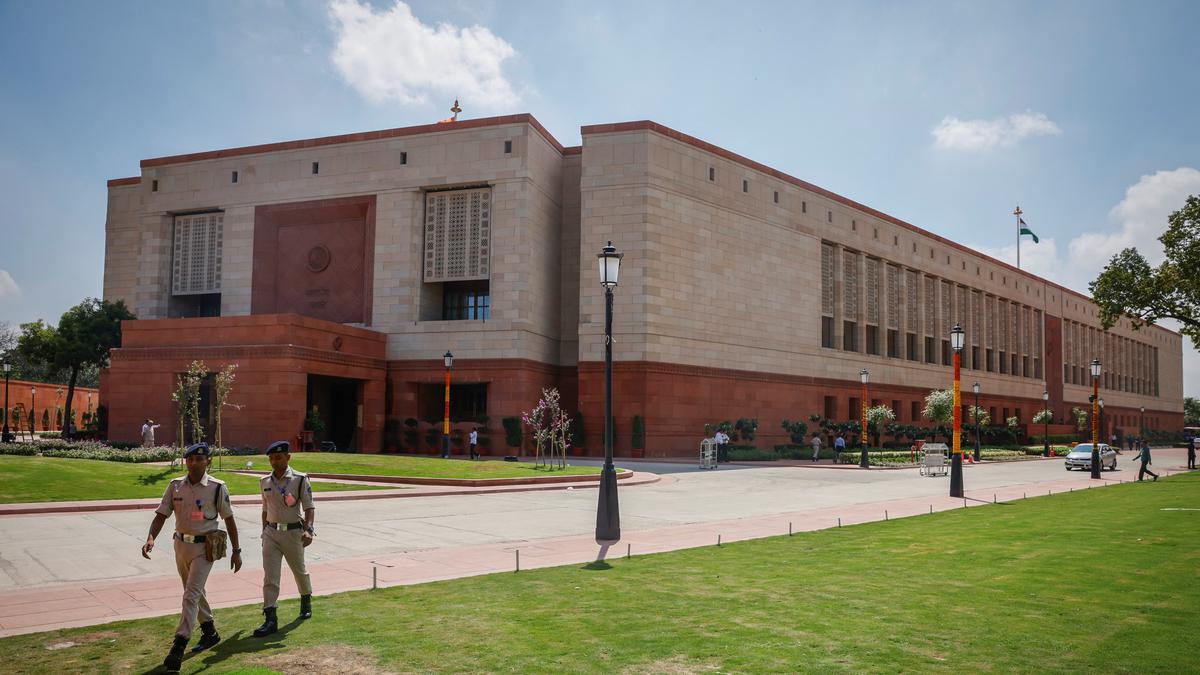
Since the early 1970s India has used the population figures from the 1971 Census to decide how many seats each state receives in the lower house of Parliament. The decision to freeze the numbers was taken at a time when the central government wanted to encourage states to adopt family planning measures, and it promised that states which succeeded in limiting population growth would not lose representation. Over the years the freeze was extended repeatedly, allowing the same distribution to remain in place for fifty years despite massive demographic shifts across the country.
In a recent policy clarification the link between the seat freeze and the goal of population stabilisation has been severed. While the freeze itself remains in effect until a new delimitation exercise is carried out, the government no longer ties the rationale for the freeze to the performance of states on population metrics. This change means that when the next round of seat realignment is undertaken, the authorities will focus on equalising the size of constituencies rather than rewarding states for demographic outcomes. The shift reflects a broader consensus that representation should be based on current population realities rather than historical policy objectives.
The removal of the population‑stability condition is likely to influence political calculations ahead of the next delimitation, expected after the 2026 census data are fully processed. States that have experienced rapid growth may gain additional seats, while those with slower growth could see a reduction. For voters and political parties, the change signals a move toward a more balanced representation of the electorate, which could affect election strategies and resource allocation. Readers across India should watch how the upcoming delimitation reshapes the balance of power in the Lok Sabha.
Comments 0