Low Ridership Challenges India's Hydrogen Train Initiative Despite Planned Capital Extension
India's pioneering hydrogen-powered train is operating with minimal passenger numbers, carrying fewer than sixty riders against a massive capacity of twenty-six hundred. Despite this sluggish initial uptake, railway authorities are pressing ahead with plans to extend the green transit corridor to Delhi.
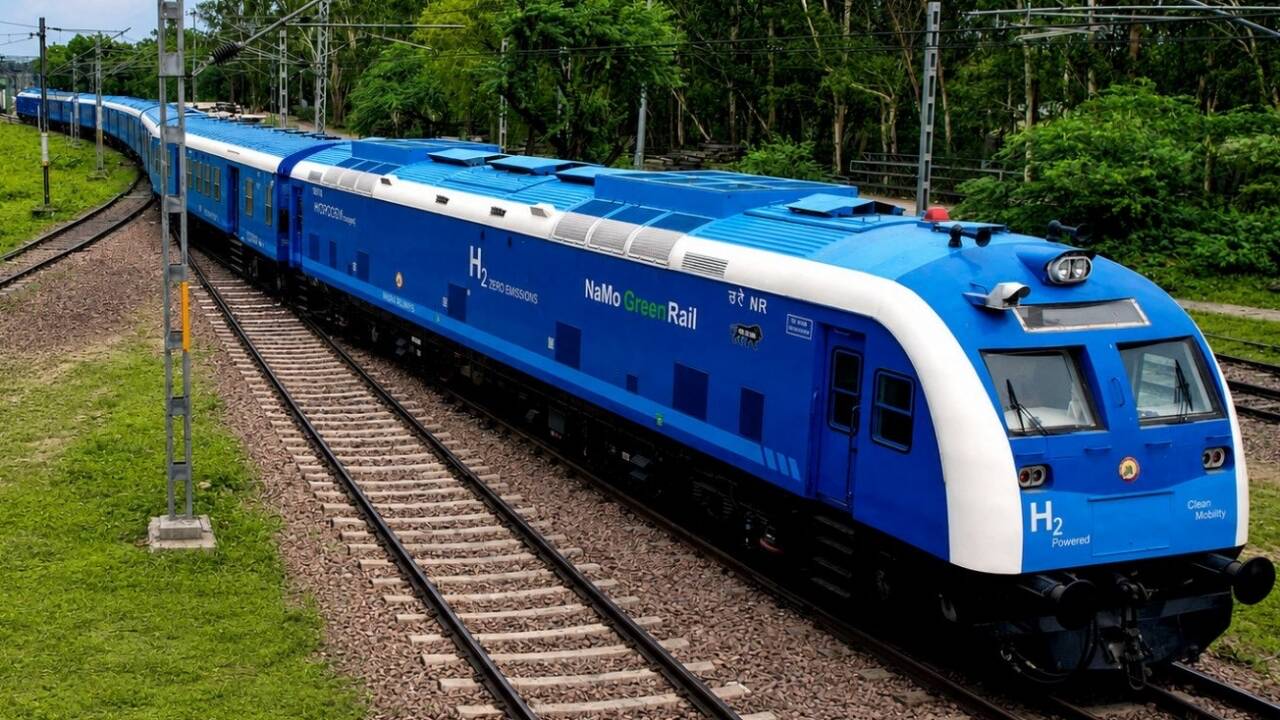
The ambitious rollout of India's first hydrogen-powered rail service faces an early reality check regarding commuter adoption and route optimization. Launched to showcase indigenous clean energy capabilities in public transport, the train currently moves through scenic corridors with vast empty compartments. The stark disparity between design capacity and daily ridership highlights the friction between technological ambition and commuter convenience. Railway planners argue that initial low utilization figures are standard for prototype infrastructure projects operating on niche experimental schedules. However, critics point to inadequate feeder connectivity and restricted timetables as primary deterrents for daily commuters who rely on conventional suburban networks. The financial burden of maintaining advanced hydrogen refueling infrastructure contrasts sharply with meager ticket revenues. Expanding the corridor toward Delhi introduces a high-stakes operational environment where the technology will face rigorous urban transit demands. If the service fails to attract critical mass in the national capital region, policymakers may face difficult choices regarding the economic viability of green hydrogen conversions for passenger rail.
Comments 0