Lucknow Hospital Introduces Laser Treatment for Diabetic Retinopathy
The Regional Medical Institute of Lucknow unveiled an advanced laser system designed to halt the progression of diabetic retinopathy, offering a new therapeutic avenue for thousands of patients. The initiative immediately expanded access to sight‑saving care in Uttar Pradesh's capital.
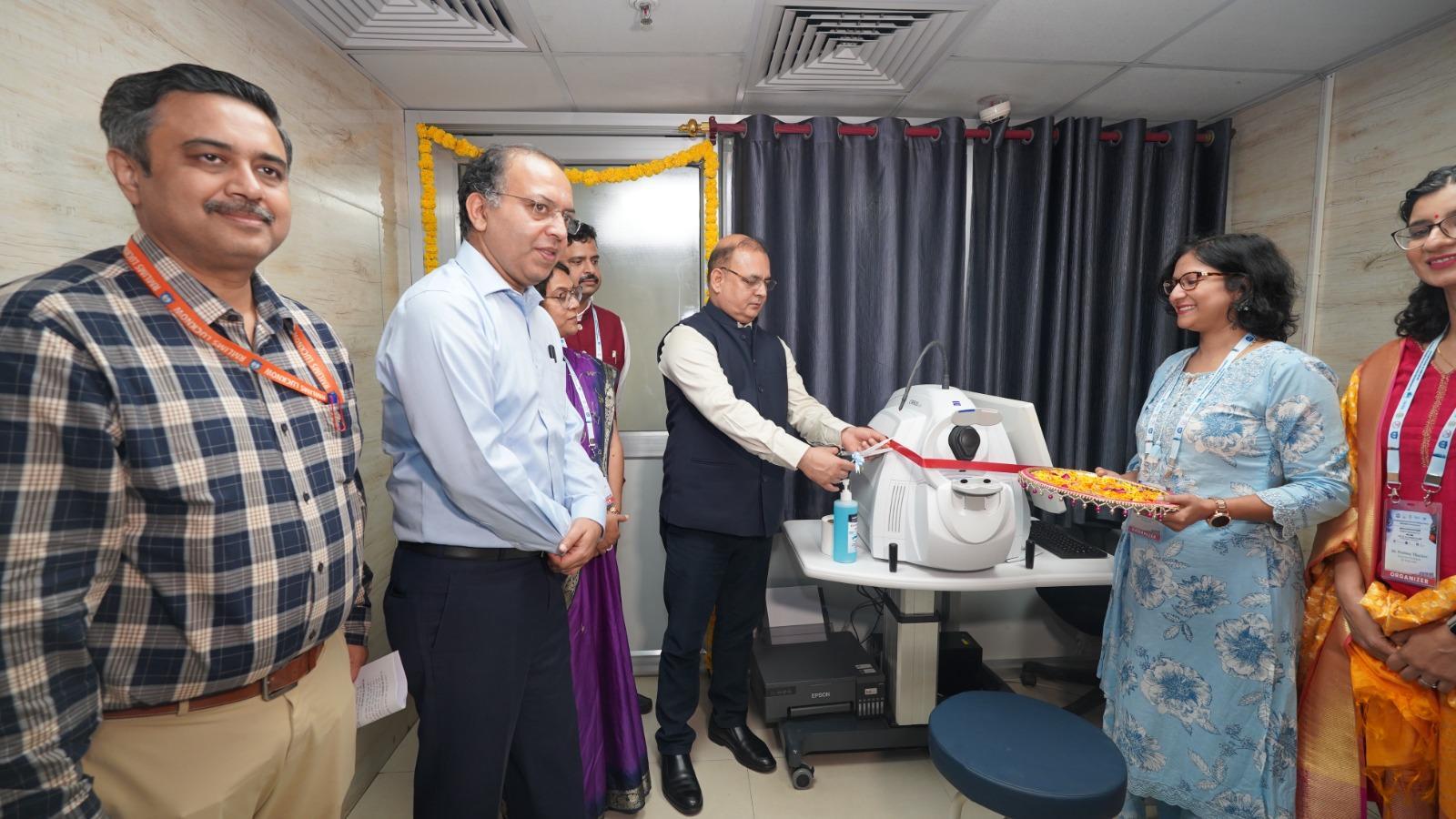
The state‑run institute installed a high‑precision laser platform capable of delivering targeted photocoagulation to retinal vessels compromised by chronic hyperglycaemia. Medical officers explained that the technology enables clinicians to treat early‑stage disease without invasive surgery, reducing the risk of vision loss for patients who previously faced limited options. Training sessions were conducted for ophthalmologists across the region, ensuring that the expertise required to operate the system disseminates beyond the flagship facility.
The launch coincides with a surge in diabetes prevalence across northern India, where an estimated one in five adults now lives with the condition. Public health officials have identified diabetic retinopathy as a leading cause of preventable blindness, prompting the health ministry to allocate additional resources for screening programmes. By integrating the laser system into routine eye‑care clinics, the institute aims to detect and treat the disease at a stage when intervention is most effective, thereby curbing the long‑term socioeconomic burden of visual impairment.
Early outcomes suggest a rapid uptake, with dozens of patients receiving treatment within the first week. Researchers plan to compile data on visual acuity improvements and complication rates, contributing to a national registry that could inform future policy decisions. If the model proves successful, it may be replicated in other tertiary hospitals, establishing a network of laser‑enabled retinal care centres across the country.
Comments 0