Lucknow Surgeons Achieve Dual Kidney Repair in Single Operation
A medical team in Lucknow successfully corrected two distinct kidney defects in one patient, showcasing a rare surgical coordination that could streamline treatment pathways. The achievement highlights the city’s growing reputation as a hub for advanced urological care.
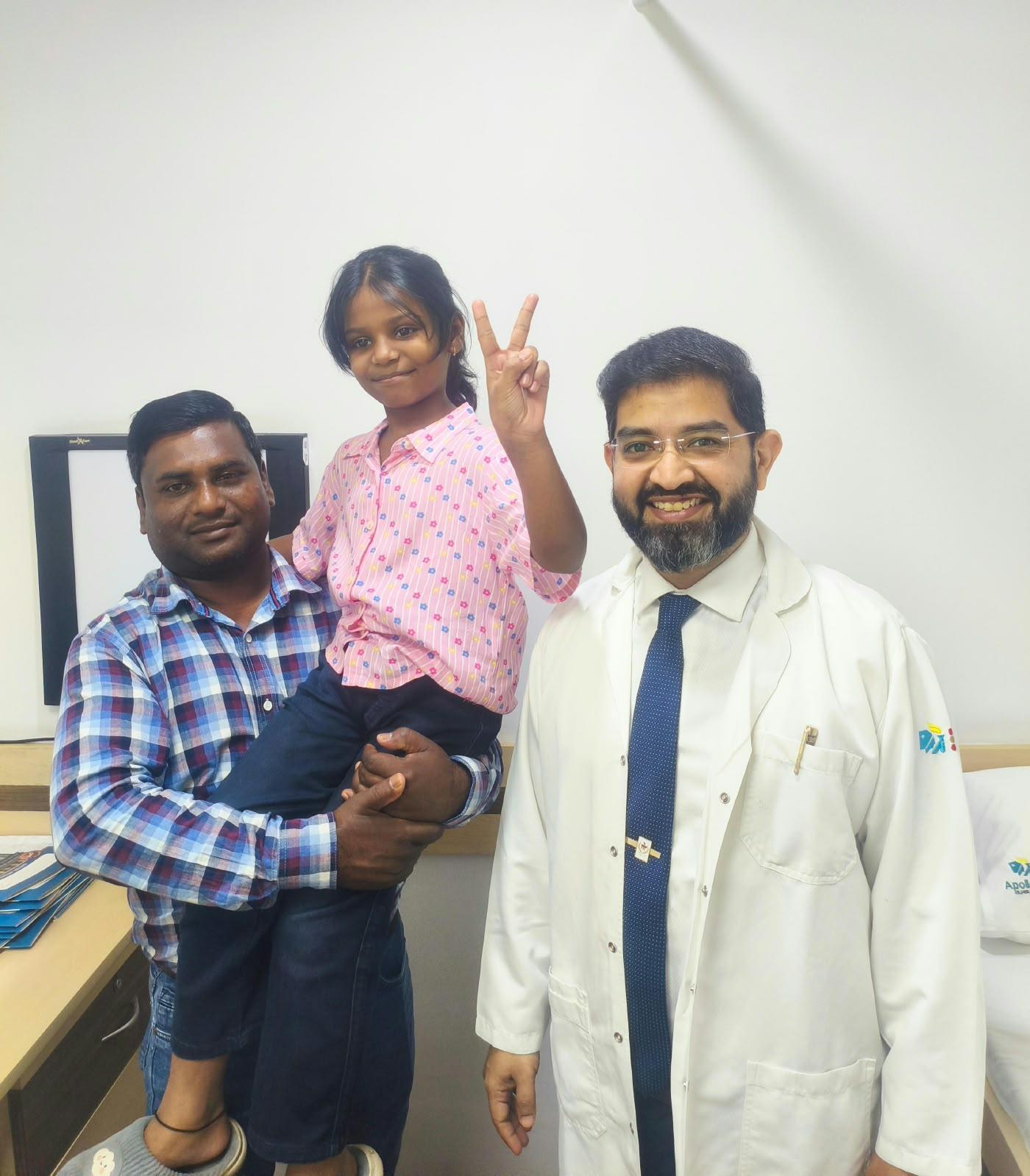
The concrete rupture in this medical narrative unfolded at a tertiary care hospital in Lucknow, where a team of urologists performed a simultaneous correction of a congenital ureteric stricture and a renal artery aneurysm in a single operative session. The procedure required meticulous planning, as the surgeons navigated the delicate vascular structures while ensuring minimal ischemic time for the kidneys. The patient, a middle‑aged individual, emerged from the operating theatre with both anomalies resolved, reducing the need for multiple hospital stays and lowering overall treatment costs.
Underlying tension revolves around the scarcity of specialized equipment and trained personnel capable of executing such complex dual‑defect surgeries in many parts of India. The Lucknow team leveraged a hybrid operating suite equipped with high‑resolution imaging and robotic assistance, resources that are still limited to a handful of metropolitan centres. Their success underscores the disparity between urban medical facilities and rural hospitals, prompting health authorities to consider targeted investments in technology transfer and skill development programmes.
Downstream casualties include a potential shift in clinical protocols, as other hospitals may adopt a similar approach to consolidate procedures when feasible, thereby improving patient outcomes and freeing up operating rooms. The case also offers a compelling data point for insurance providers, who may revise coverage policies to incentivise combined surgeries. Over the next twelve months, the hospital is expected to publish its findings, influencing national guidelines on multi‑defect renal interventions and encouraging broader adoption of integrated surgical techniques.
Comments 0